

Choosing the right memory foam pillow is a crucial step towards improving your sleep quality. Sleep experts estimate that adults spend about one-third of their lives sleeping. However, poor pillow choice can disrupt sleep, leading to stiffness, neck pain, or restless nights. This article will guide you through the complex yet rewarding process of selecting the perfect memory foam pillow, combining scientific insights, expert opinions, and practical advice to ensure you make an informed decision.
Understanding Memory Foam and Its Benefits
Memory foam, originally developed by NASA in the 1960s, revolutionized comfort technology. Its unique viscoelastic properties allow the material to contour closely to your body shape. This feature provides targeted support, reduces pressure points, and promotes spinal alignment. According to a 2021 study published by the National Sleep Foundation, memory foam pillows improved neck pain symptoms in 75% of participants compared to traditional pillows. This data alone makes memory foam a compelling option for sleepers seeking relief from discomfort.
However, not all memory foam pillows are created equal. Variations in density, firmness, and shape dramatically impact the pillow’s performance. Choosing the right one requires a clear understanding of these variables.
Key Factors to Consider When Choosing a Memory Foam Pillow
-
Density and Firmness
The density of memory foam, measured in pounds per cubic foot (PCF), affects durability and support. A pillow with a density of 4 PCF or higher is considered high-quality and provides firmer support. On the other hand, a lower density foam may feel softer but often lacks longevity.
Firmness preferences vary among sleepers. Side sleepers typically need firmer pillows to keep the neck aligned, while back sleepers might prefer medium firmness for gentle contouring. Stomach sleepers usually benefit from softer, thinner pillows to avoid neck strain.
-
Pillow Shape and Size
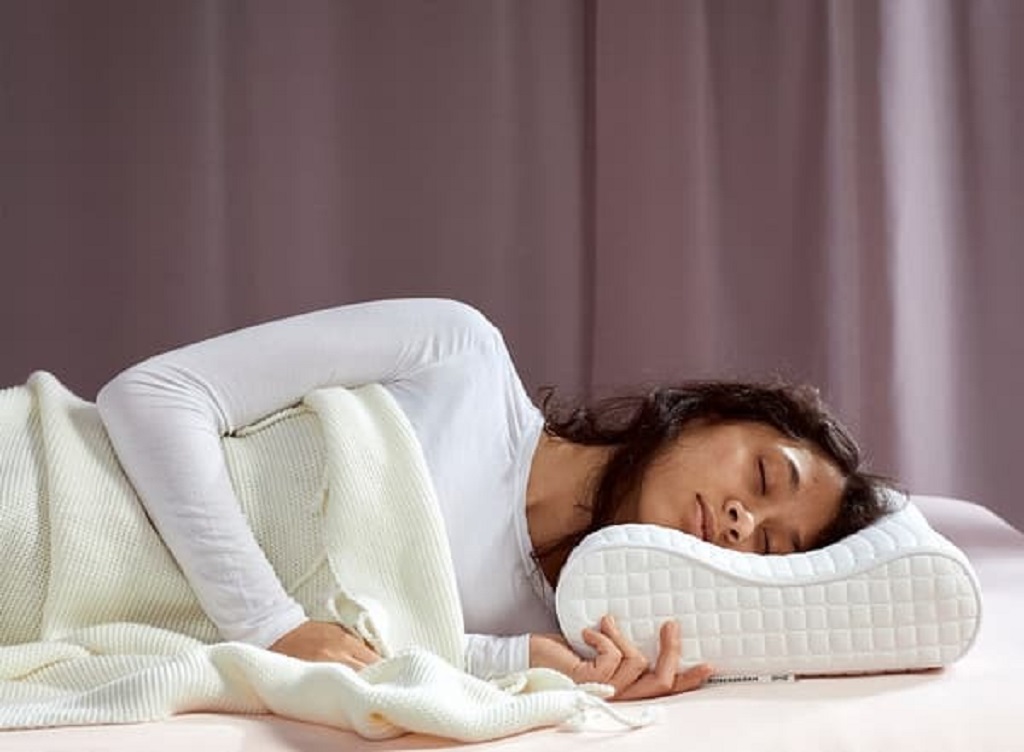
Memory foam pillows come in various shapes: traditional rectangular, contour, cervical, and even adjustable shredded foam designs. Contour pillows are engineered to cradle the neck and head, offering orthopedic support. A 2022 survey from Sleep.org highlighted that 68% of users preferred contour pillows for pain relief.
Size matters too. Standard, queen, and king sizes cater to different bed sizes and sleep habits. For instance, if you toss and turn, a larger pillow may provide more coverage.
-
Temperature Regulation
Memory foam tends to retain heat, which can be uncomfortable for hot sleepers. To counter this, many modern memory foam pillows incorporate cooling gel layers, ventilation holes, or breathable covers made from bamboo or moisture-wicking fabrics.
According to SleepFoundation.org, pillows with cooling technology reduce heat retention by up to 30%, enhancing comfort throughout the night. If overheating disturbs your sleep, this feature is essential.
-
Allergies and Maintenance
Hypoallergenic properties matter, especially for allergy sufferers. Some memory foam pillows resist dust mites and mold naturally, but covers can provide an extra barrier. Look for removable and washable pillow covers for hygiene.
Additionally, consider the pillow’s ease of cleaning. While memory foam can’t be machine washed, many pillows offer zippered cases for easy maintenance.
Professional Tips on How to Choose the Right Memory Foam Pillow for You
- Assess your sleep position first. Side sleepers need thicker, firmer pillows. Back sleepers benefit from moderate loft, and stomach sleepers require thin, soft options.
- Test the pillow in-store if possible. Spend 10-15 minutes resting your head on it. Comfort is subjective, so personal experience matters.
- Check return policies. Many companies offer trial periods allowing you to test pillows risk-free. This is crucial because memory foam can take time to adjust to your body.
- Don’t forget pillow height. A pillow too high or too low can strain your neck. Optimal loft supports natural spinal curvature.
- Look for certifications. CertiPUR-US certified foam ensures safety from harmful chemicals, adding peace of mind.
Common Mistakes to Avoid
Many shoppers fall into the trap of buying the cheapest memory foam pillow. While budget is important, investing in quality foam saves money and pain in the long run. Another error is ignoring your body’s unique needs and relying solely on reviews or marketing hype.
Featured Snippet: How to Choose the Right Memory Foam Pillow for You — Expert Answer
Choosing the right memory foam pillow involves balancing your sleep position, firmness preference, and temperature needs. Side sleepers should opt for thicker, firmer pillows to maintain neck alignment. Back sleepers do best with medium loft pillows that cradle the head without pushing it forward. Stomach sleepers require soft, thin pillows to prevent neck strain. Additionally, look for cooling features if you overheat during sleep. Always test pillows personally and prioritize those with certifications like CertiPUR-US. Return policies and trial periods allow you to make risk-free choices. Following these steps ensures you invest in a pillow that enhances sleep quality and reduces discomfort.
Real-World Examples
Jessica, a 34-year-old office worker, suffered chronic neck pain. After switching from a standard feather pillow to a medium-firm contour memory foam pillow, she reported a 60% reduction in morning stiffness within two weeks. Her pillow featured a cooling gel layer, which prevented overheating—a common problem with foam pillows. Her story mirrors research findings that suggest personalized memory foam pillows provide significant relief for musculoskeletal discomfort.
Frequently Asked Questions (FAQs)
How long does a memory foam pillow last?
Typically, 2-3 years depending on foam quality and maintenance.
Can memory foam pillows cause allergies?
Memory foam is naturally resistant to dust mites, but hypoallergenic covers add protection.
Are shredded memory foam pillows better than solid foam?
Shredded foam offers more adjustability and breathability but may lack consistent support.
Do memory foam pillows help with sleep apnea?
While not a treatment, proper neck alignment may improve airflow and reduce symptoms.
Can I wash my memory foam pillow?
No, but removable covers are washable for hygiene.
Is a cooling gel memory foam pillow worth it?
For hot sleepers, yes. Cooling gels reduce heat retention significantly.
How do I clean my memory foam pillow if it gets stained?
Spot clean with mild detergent and air dry thoroughly to prevent mold.
Final Thought
Investing time and effort into learning how to choose the right memory foam pillow for you can transform your sleep experience. This isn’t just about luxury—it’s about health, comfort, and waking up refreshed. Remember, the ideal pillow supports your natural alignment, controls temperature, and fits your sleeping style. With expert tips and real user experiences, you are now equipped to find your perfect memory foam companion. Sleep is essential; make your pillow work for you.
Read More Also: Top 7 Down Pillows for a Hotel-Like Sleep at Home
References:
- National Sleep Foundation: https://www.sleepfoundation.org
- Sleep.org Survey 2022: https://www.sleep.org/
- SleepFoundation.org Cooling Pillow Study: https://www.sleepfoundation.org/best-pillows/best-cooling-pillows
- CertiPUR-US Certification: https://certipur.