

Neck pain is a common ailment, affecting nearly 30% of adults in the U.S. each year. Whether it’s due to poor posture, stress, or a long day staring at a screen, the pain can be relentless. The market is flooded with supposed solutions, but one product consistently stands out: orthopedic pillows. So, do orthopedic pillows for neck pain really help, or are they just another wellness trend?
What Are Orthopedic Pillows?
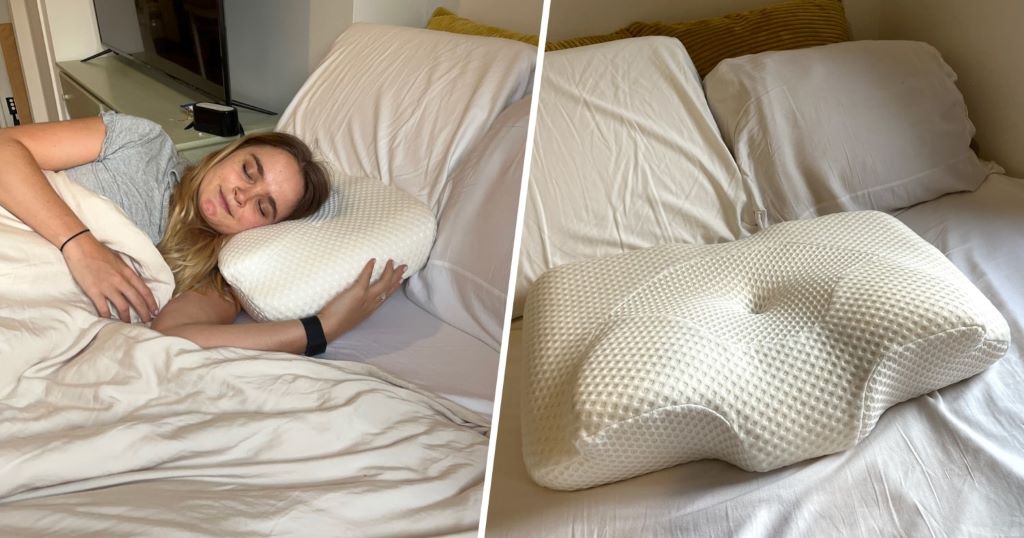
Orthopedic pillows are specially designed to support the neck and spine. Unlike standard pillows, they follow the natural curve of your cervical spine. Most are made from memory foam or latex and aim to maintain proper neck alignment while sleeping.
This support can significantly reduce pressure on muscles and ligaments. According to the National Sleep Foundation, proper alignment while sleeping can relieve tension and prevent long-term damage.
The Science Behind Neck Pain and Sleep
A misaligned neck during sleep can compress nerves and strain muscles. Over time, this leads to chronic pain. A 2022 study in the Journal of Physical Therapy Science found that participants using cervical contour pillows reported a 54% decrease in morning stiffness.
It’s not just about comfort—it’s about biomechanics. When your spine is aligned, muscles relax and healing begins. Misalignment, on the other hand, disrupts REM sleep and increases inflammation.
How Orthopedic Pillows Work
Orthopedic pillows are not one-size-fits-all. They are available in various shapes, including:
- Cervical contour pillows
- Memory foam pillows with neck support
- Water-based adjustable pillows
- Latex orthopedic pillows
Each type targets specific sleep issues. For instance, contour pillows cradle the neck, keeping it from falling into an awkward angle. Water-based pillows adjust to your movements, offering a dynamic support level.
The design logic is straightforward: stabilize the cervical spine and reduce muscle strain.
The Pros: Real Relief for Real Pain
There’s a growing body of research supporting orthopedic pillows. A 2021 randomized trial published in Pain Research and Management showed that patients using orthopedic pillows for four weeks experienced:
- 68% improvement in neck mobility
- 59% reduction in reported pain
- Better overall sleep quality
Testimonials echo the research. Users often report feeling rested, with fewer headaches and reduced shoulder stiffness. Chiropractors and physiotherapists also recommend these pillows as part of a comprehensive recovery plan.
Moreover, orthopedic pillows may prevent the pain from worsening. Long-term misuse of standard pillows can exacerbate issues like cervical spondylosis or herniated discs.
The Cons: One Pillow Doesn’t Fit All
However, not everyone experiences miraculous results. Some users complain about the adjustment period. It can take up to two weeks to get used to the contour and firmness of an orthopedic pillow.
Additionally, incorrect usage or the wrong pillow size can cause more harm than good. For example, a side sleeper using a low-loft pillow will still suffer from misalignment. That’s why consultation with a specialist is crucial.
Another consideration is quality. Many generic “orthopedic” pillows on online marketplaces do not follow medical standards. Always look for certifications and user reviews before purchasing.
Who Benefits the Most?
Orthopedic pillows work best for:
- People with chronic neck pain
- Post-surgery recovery patients
- Sleepers with poor posture
- Tech workers or frequent screen users
However, individuals with complex spinal issues should consult a spine specialist. In cases of severe disc degeneration or nerve damage, a pillow alone won’t resolve the problem.
Expert Tip: How to Choose the Right Orthopedic Pillow
Dr. Linda Foster, a physical therapist with 15+ years of experience, recommends evaluating sleep position, firmness preference, and neck length before selecting a pillow.
Here’s a quick checklist:
- Back sleepers: Look for contour memory foam with medium support.
- Side sleepers: Opt for a higher loft with shoulder cutouts.
- Stomach sleepers: Consider switching positions; this posture strains the neck regardless of pillow type.
Real-World Examples
Take Emma, a 38-year-old accountant who struggled with tension headaches. She switched to an orthopedic cervical pillow and tracked her pain levels. After two months, she reported zero headaches and improved focus at work.
Or Mark, a software engineer recovering from a neck injury. He used a water-based orthopedic pillow and found it minimized nighttime discomfort during physical therapy.
These aren’t isolated cases. Reviews across reputable platforms like Cleveland Clinic and WebMD reinforce the benefits when the pillow is chosen and used correctly.
Featured Snippet: Are Orthopedic Pillows Actually Worth It?
Yes, when chosen correctly, orthopedic pillows significantly help reduce neck pain. They work by maintaining the natural curve of the cervical spine during sleep, which eases muscle tension and improves blood circulation. Research shows that people using these pillows experience better sleep quality and less morning stiffness.
However, it’s crucial to pick the right pillow based on your sleeping habits and neck dimensions. Incorrect use can worsen the pain. Expert consultation enhances your chances of finding the best match.
Frequently Asked Questions
- Can orthopedic pillows worsen neck pain?
Yes, if the pillow doesn’t match your sleep position or neck size. Incorrect use causes misalignment and strain. - How long before I notice improvement?
Many users report relief in a week, but full benefits can take up to three weeks. - Are memory foam pillows the same as orthopedic pillows?
Not always. While many orthopedic pillows use memory foam, the term “orthopedic” implies a medical design to support the neck. - Can I use an orthopedic pillow after surgery?
Yes, but only with a doctor’s approval. Some pillows may not suit your post-surgical neck position. - Is it okay to use orthopedic pillows every night?
Absolutely. Daily use reinforces spinal alignment and prevents future discomfort. - Are they washable?
Most come with a washable cover. The pillow core itself usually isn’t machine washable. - Do they help with snoring?
In some cases, yes. Proper neck alignment can open airways and reduce mild snoring.
Final Thought
Orthopedic pillows aren’t a magical cure, but they offer science-backed support for those battling neck pain. When chosen wisely, they become an essential part of a healthier sleep routine. Still, one must approach them as a tool in a broader strategy—including posture correction, exercise, and medical guidance.
The bottom line? Orthopedic pillows for neck pain do help—if you pick the right one and use it correctly. They offer tangible relief, improved sleep, and a better quality of life. So, if you’ve been tossing and turning in pain, it might be time to swap out your old pillow for one designed with your spine in mind.
Read More: