

Sleep is essential for physical and mental health, yet nearly 70 million Americans suffer from sleep disorders (CDC). Often, the culprit isn’t stress or screen time—it’s your pillow. A poorly chosen pillow can silently wreak havoc on your neck, spine, and posture. The right one, however, can significantly enhance sleep quality, relieve chronic pain, and even boost daily performance. Let’s explore how body, cervical, and orthopedic pillow types provide targeted support and personalized comfort for different needs.
The Body Pillow: Full-Body Alignment and Maternity Support
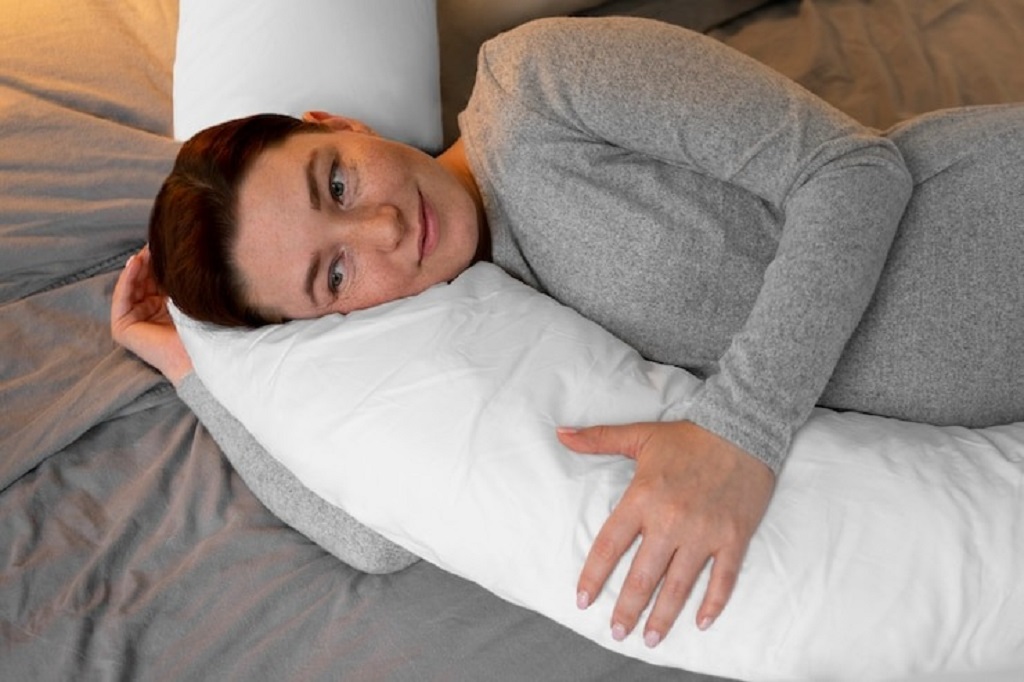
Body pillows are long, narrow pillows that offer support from your head to your knees. They’re especially beneficial for side sleepers, who make up 74% of the population, according to a Sleep Foundation survey. These pillows promote spinal alignment by cushioning pressure points along the side of the body, preventing hips and shoulders from collapsing inward.
Pregnant women also find immense relief using body pillows. The U-shaped and C-shaped variants support the belly, back, and legs, reducing the risk of tossing and turning. Obstetricians recommend side-sleeping in pregnancy, and a body pillow can help maintain this position comfortably.
Experts from the Mayo Clinic state that maintaining a neutral spine during rest is critical to avoiding pain. Body pillows do just that—by preventing rotation of the hips and knees, they minimize strain on the lower back.
Cervical Pillows: Precision Support for the Neck
Cervical pillows are engineered to cradle the natural curvature of the neck. They are often made from memory foam or latex, offering both resilience and contouring. For those waking up with neck stiffness or tension headaches, a cervical pillow may provide the relief you’ve been searching for.
The American Chiropractic Association highlights that poor neck support can lead to misalignment, muscle tension, and long-term spinal issues. Cervical pillows counteract this by reducing the gap between the neck and mattress, especially for back and side sleepers.
A study published in the Journal of Physical Therapy Science found that participants using ergonomic cervical pillows reported significant improvement in neck pain and sleep quality within three weeks. Unlike traditional pillows, these are shaped to align the head, neck, and spine precisely—minimizing postural stress.
Orthopedic Pillows: Medical-Grade Relief for Chronic Pain
Orthopedic pillows go beyond comfort—they are designed for therapeutic purposes. Whether you’re dealing with sciatica, frozen shoulder, or cervical spondylosis, these pillows can alleviate pain by correcting posture during sleep.
These pillows often use memory foam, cooling gels, and adjustable height options to adapt to each sleeper’s anatomy. Orthopedic pillows are usually recommended by physical therapists and spine specialists due to their evidence-backed effectiveness.
According to Johns Hopkins Medicine, orthopedic support during sleep can dramatically reduce morning pain in individuals with chronic musculoskeletal conditions. Their structured shapes provide stability, ensuring the spine remains neutral and properly supported throughout the night.
While they can be more expensive, orthopedic pillows are an investment in health—preventing long-term complications from poor sleep posture.
Featured Snippet: What Pillow Is Best for Neck and Back Pain?
What pillow is best for neck and back pain?
For neck and back pain, cervical and orthopedic pillows provide the most effective relief. Cervical pillows cradle the neck, maintaining the natural cervical spine curve. Orthopedic pillows support overall alignment, reducing pressure on sensitive joints. Look for pillows made with memory foam or latex, which contour well and provide lasting support. A 2019 study in Sleep Health found that proper pillow alignment reduced musculoskeletal pain by 30% in just two weeks. Always choose a pillow that matches your sleep position—back, side, or stomach—for optimal support.
Professional Tips for Choosing the Right Pillow Type
- Body Pillow: Best for side sleepers and pregnant individuals. Choose breathable, hypoallergenic covers to prevent overheating.
- Cervical Pillow: Ideal for people with neck stiffness. Opt for a contour shape made from high-density memory foam.
- Orthopedic Pillow: Recommended for chronic pain sufferers. Look for medical-grade certifications and multi-layer foam design.
A physical therapist or sleep specialist can help tailor your choice to your condition.
Real Examples of Pillow Impact
Meet Sarah, a 42-year-old office worker plagued by persistent neck pain. After switching to a contoured cervical pillow, she reported improved sleep and reduced pain in under two weeks.
Then there’s Michael, recovering from shoulder surgery. His orthopedic wedge pillow helped maintain proper posture, significantly speeding up his healing process.
These aren’t isolated cases. Consumers increasingly demand pillows that do more than just feel soft—they want results. Sales of orthopedic and ergonomic pillows have surged 18% year-over-year, according to Sleep Retailer.
Frequently Asked Questions
Can a pillow fix my posture?
Not entirely, but the right pillow can significantly reduce strain and promote better sleeping posture.
Are orthopedic pillows covered by insurance?
Some health insurance plans cover them if prescribed for medical conditions. Always check with your provider.
How long do body pillows last?
Quality body pillows last 1-2 years. Memory foam varieties may last longer with proper care.
Can cervical pillows help with snoring?
Yes, they align the airway, which may reduce snoring, especially in back sleepers.
What material is best for cervical pillows?
Memory foam offers contouring and support. Latex is firmer and more breathable.
Do orthopedic pillows work for side sleepers?
Yes, many are specifically designed for side-sleeping, keeping the spine and hips aligned.
How do I know if I need a specialty pillow?
If you wake up with pain or stiffness, or shift positions frequently during sleep, it’s worth exploring these options.
Read More Also: Seasonal Pillow Trends
Final Thought
Choosing the right pillow isn’t just about comfort—it’s about protecting your body and improving long-term well-being. Whether you’re a side sleeper needing full-body support, someone battling neck pain, or dealing with chronic orthopedic issues, there’s a pillow type tailored for your needs. Investing in a body, cervical, or orthopedic pillow can be a small step with transformative results. With more awareness, better materials, and expert guidance, the future of sleep health starts with your pillow.
References:
- CDC Sleep Statistics: https://www.cdc.gov/sleep/index.html
- Journal of Physical Therapy Science: https://www.jstage.jst.go.jp/article/jpts
- American Chiropractic Association: https://www.acatoday.org/
- Johns Hopkins Medicine: https://www.hopkinsmedicine.org
- Sleep Foundation: https://www.sleepfoundation.org