

The world today is becoming increasingly aware of the need for sustainable living. In a society where the environmental impact of everyday actions has come into focus, people are actively seeking ways to make more conscious choices. People often overlook the storage of household items, such as pillows. People often think of pillows simply as comfort items for their bed, but pillows play a larger role in how we manage our living spaces. In fact, selecting eco-friendly pillow storage options can reduce waste, promote sustainable practices, and even improve the organization in your home.
In this comprehensive article, we will discuss various eco-friendly pillow storage solutions, including their benefits, challenges, and practical tips for incorporating these practices into your home. We will also explore the pros and cons of these methods, and answer some frequently asked questions regarding pillow storage.
Why Choose Eco-Friendly Pillow Storage?
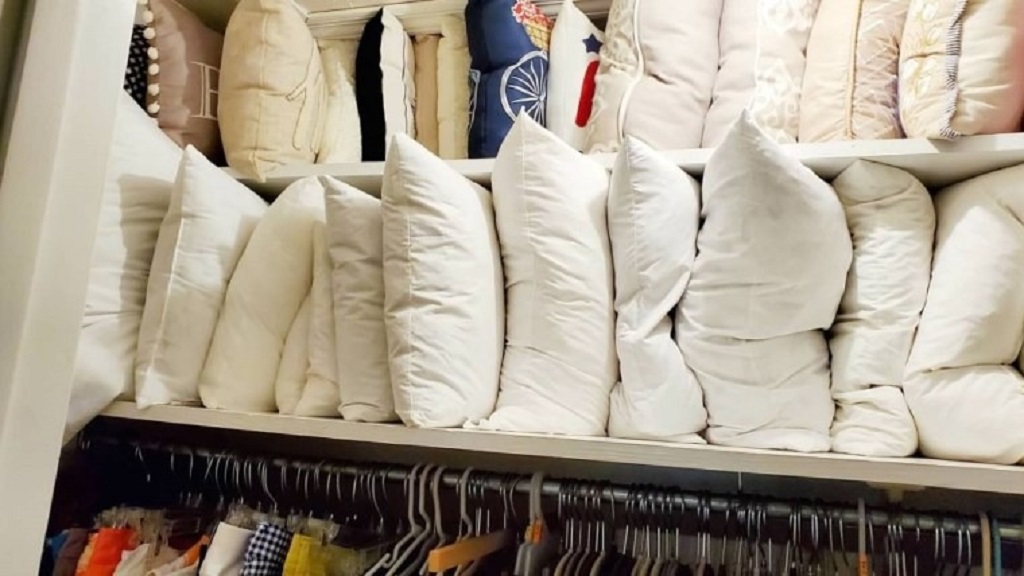
When it comes to storing pillows, many traditional options, such as plastic bags or synthetic fabrics, are harmful to the environment. These materials take years to degrade, contribute to plastic pollution, and often contain harmful chemicals that impact both human and environmental health. Choosing eco-friendly storage options helps to mitigate these negative impacts. It’s not only about keeping your pillows organized but also about promoting a cleaner, greener world.
Sustainable pillow storage also supports ethical manufacturing processes, reduces carbon footprints, and avoids harmful chemicals commonly found in conventional products. Furthermore, eco-friendly storage options can often add a charming, rustic, or minimalist aesthetic to your home, making your pillow storage as stylish as it is sustainable.
Eco-Friendly Pillow Storage Options
Let’s delve into some of the most popular eco-friendly storage solutions that will help keep your pillows in great condition while reducing your environmental impact.
1. Organic Cotton Pillow Storage Bags
What Are They?
Organic cotton storage bags are a simple yet effective solution for pillow storage. These bags are made from organic cotton fabric, which is grown without harmful pesticides or synthetic fertilizers. They are durable, breathable, and chemical-free, which helps preserve the condition of your pillows.
How to Use Them:
These storage bags come in various sizes and can be easily used to store multiple pillows at once. Simply place your pillow inside the bag, zip it up or tie the opening, and store it in a closet or under your bed. Some bags even feature eco-friendly drawstrings or buttons made from natural materials such as wood or coconut shells.
Pros:
- Breathability: Organic cotton allows air circulation, helping to keep pillows fresh.
- Chemical-free: No harmful pesticides or chemicals are involved in the production process.
- Biodegradable: Cotton is biodegradable, meaning it won’t contribute to landfill waste.
Cons:
- Cost: Organic cotton tends to be more expensive than conventional cotton options.
- Maintenance: While durable, organic cotton bags may require more frequent washing and care to maintain their appearance.
2. Hemp Storage Bags
What Are They?
Hemp is one of the most eco-friendly materials available, known for its sustainability and low environmental impact. Hemp storage bags are made from the fibers of the hemp plant, which requires minimal water, no pesticides, and grows rapidly.
How to Use Them:
Similar to organic cotton, hemp bags come in various sizes. Simply fold your pillow neatly and place it inside the hemp bag for storage. Hemp bags can be stored in closets, storage units, or under furniture to keep pillows organized and safe.
Pros:
- Sustainable: Hemp is one of the most eco-friendly materials available and has a much lower environmental impact compared to cotton.
- Durable: Hemp fabric is incredibly strong and can withstand heavy use.
- Mold-resistant: Hemp has natural mold-resistant properties, making it ideal for storing pillows in humid environments.
Cons:
- Texture: Hemp can feel rough and coarse, so it may not be as soft to the touch as cotton or other fabrics.
- Limited availability: Although hemp is gaining popularity, it may not be as widely available in some areas as other fabrics.
3. Recycled Fabric Storage Covers
What Are They?
Using storage bags or covers made from recycled fabrics is an excellent way to repurpose materials and reduce waste. These fabrics could include old clothes, sheets, or even plastic bottles that have been turned into textiles. Recycled fabric pillow storage solutions can range from stylish bags to upcycled pillow cases or covers.
How to Use Them:
Simply place your pillows inside the recycled fabric storage covers, and you can store them just like you would with any other pillow bag or case. These covers may come with zippers, Velcro, or ties for secure storage.
Pros:
- Repurposing: Recycled fabrics contribute to reducing textile waste, which is a major environmental issue.
- Unique Designs: Recycled fabric storage solutions often have quirky, unique designs, making them a fun and creative way to store pillows.
- Affordable: Using recycled materials often makes these covers more affordable compared to other eco-friendly options.
Cons:
- Durability: Recycled fabrics can sometimes be less durable, especially if made from soft materials like old t-shirts.
- Quality Variance: Since recycled fabrics are often sourced from various items, the quality may not be as consistent.
4. Wooden Storage Crates
What Are They?
Wooden storage crates made from sustainably sourced wood or reclaimed wood offer a rustic and eco-friendly way to store your pillows. These crates are sturdy and can be used for a variety of purposes, including pillow storage.
How to Use Them:
Store your pillows in a wooden crate, and keep it in a closet, under the bed, or even as a decorative feature in your living room. Some crates come with lids, while others have open tops for easy access.
Pros:
- Long-lasting: Wood is a durable material that will last for many years if maintained properly.
- Reclaimed Options: Reclaimed wood is an environmentally responsible option that helps reduce the demand for new wood.
- Aesthetic appeal: Wooden crates can add a warm, rustic charm to any space.
Cons:
- Weight: Wooden crates can be heavy, especially when filled with pillows.
- Cost: Quality wooden crates, particularly those made from sustainably sourced wood, can be more expensive than plastic options.
5. Jute Storage Baskets
What Are They?
Jute is a natural fiber that is strong, durable, and biodegradable. Jute storage baskets are a stylish and sustainable option for storing pillows. These baskets are typically handwoven and can range in size and shape.
How to Use Them:
Jute baskets can be used to store a single pillow or several pillows at once. They are perfect for placing in closets, under beds, or even as decorative elements in a bedroom or living room.
Pros:
- Sustainable: Jute is a biodegradable and renewable resource, making it a great choice for eco-conscious consumers.
- Versatile: Jute baskets are available in various shapes and sizes, allowing for flexibility in how you store your pillows.
- Stylish: The natural texture and color of jute add a warm, earthy aesthetic to any room.
Cons:
- Not waterproof: Jute baskets are not ideal for environments with high humidity, as the fibers can absorb moisture.
- Maintenance: Jute may require occasional cleaning to prevent dust buildup.
Pros and Cons of Eco-Friendly Pillow Storage
When it comes to choosing the right storage solution for your pillows, it’s essential to weigh the benefits and drawbacks of each option. Let’s break down the pros and cons of eco-friendly pillow storage in general.
Pros:
- Reduced Environmental Impact: Eco-friendly materials are often biodegradable, reusable, or made from sustainable sources, helping to reduce landfill waste and resource depletion.
- Healthier for Your Home: Many eco-friendly storage options, such as organic cotton or hemp, are free from harmful chemicals like pesticides and synthetic dyes, contributing to a healthier living environment.
- Long-Lasting Durability: Many sustainable materials, such as hemp or wood, are highly durable and can withstand years of use, making them a smart long-term investment.
- Aesthetic Appeal: Sustainable storage solutions often have a more natural or rustic look, which can enhance the decor of your home.
Cons:
- Higher Initial Cost: Eco-friendly options can sometimes have a higher upfront cost, especially when compared to cheaper plastic or synthetic alternatives.
- Maintenance Requirements: Natural materials may require more care and maintenance to keep them in good condition, particularly if they are exposed to moisture or heavy use.
- Limited Availability: Depending on your location, eco-friendly storage options may not be as widely available or easily accessible as traditional plastic storage products.
FAQs on Eco-Friendly Pillow Storage
Q1: What is the best eco-friendly material for pillow storage?
The best eco-friendly materials include organic cotton, hemp, recycled fabrics, and jute. These materials are biodegradable, durable, and free from harmful chemicals.
Q2: Are wooden crates environmentally friendly for storing pillows?
Yes, wooden crates made from sustainably sourced or reclaimed wood are an eco-friendly option. They help reduce deforestation and provide a durable, long-lasting storage solution.
Q3: Can eco-friendly pillow storage options help extend the life of my pillows?
Yes, using breathable, natural materials like cotton or hemp can help preserve the quality of your pillows by preventing moisture buildup and providing protection from dust and dirt.
Q4: Are recycled fabric storage bags strong enough to hold heavy pillows?
It depends on the fabric used. Some recycled fabric storage bags, like those made from old clothing, may not be as durable as other options. However, many recycled fabrics, such as those made from plastic bottles, are strong and capable of holding heavier items.
Q5: How do I care for my eco-friendly pillow storage options?
Care depends on the material. You may need to wash organic cotton and hemp bags periodically, while you should occasionally dust or clean wooden crates or jute baskets. Always check the care instructions for specific products.
Conclusion: A Greener Way to Store Pillows
Incorporating eco-friendly pillow storage options into your home is a simple yet effective way to contribute to sustainability. Whether you choose organic cotton, hemp, recycled fabrics, or wooden crates, there are plenty of options to reduce your environmental impact while keeping your pillows safe and organized. By considering the pros and cons, as well as your unique storage needs, you can find the perfect solution that aligns with your eco-conscious lifestyle.
As more people seek out sustainable living practices, it’s exciting to see how even small changes, like pillow storage, can make a big difference. Every conscious choice contributes to a greener planet—and the pillows you store today will thank you tomorrow.
Read More:
How Often Should You Replace Memory Foam Pillows?
Can Pillows Help with Snoring?
Why Do Pillows Turn Yellow Over Time?
How Long Do Down Alternative Pillows Last?