
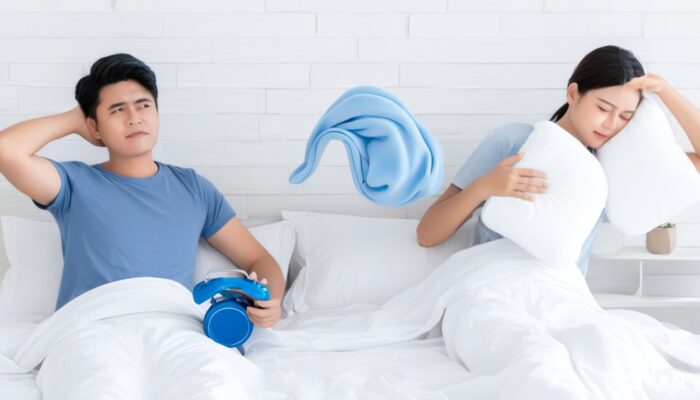
Snoring is a widespread issue that affects millions of people worldwide. It can disrupt sleep for both the snorer and their partner, leading to fatigue, irritability, and other health concerns. While there are many remedies available, one potential solution that is gaining popularity is using special pillows designed to reduce snoring. But do these pillows actually work? In this article, we will explore how pillows may help with snoring, discuss their pros and cons, and answer frequently asked questions.
Understanding Snoring
Before delving into whether pillows can help with snoring, it’s important to understand the underlying causes of this common problem. Snoring occurs when there is an obstruction in the airway, causing the tissues in the throat to vibrate as air passes through. This vibration produces the familiar sound of snoring.
There are several factors that contribute to snoring, including:
- Nasal issues: Blocked nasal passages, sinus infections, or allergies can make it difficult to breathe through the nose, leading to snoring.
- Mouth breathing: Breathing through the mouth, often due to nasal congestion, increases the likelihood of snoring.
- Obesity: Excess weight, especially around the neck, can restrict airflow and cause snoring.
- Age: As people age, the muscles in the throat relax, which can contribute to snoring.
- Sleep position: Sleeping on your back can cause the tongue to fall back and block the airway, leading to snoring.
In many cases, snoring is a harmless occurrence, but it can be a sign of a more serious condition like sleep apnea. Therefore, it’s essential to explore different solutions to help reduce or eliminate snoring.
How Pillows Can Help Reduce Snoring
One solution to snoring that many people turn to is using specialized pillows designed to alleviate the issue. These pillows work by supporting the head, neck, and spine in ways that promote optimal airflow and minimize snoring.
1. Adjusting Sleep Position
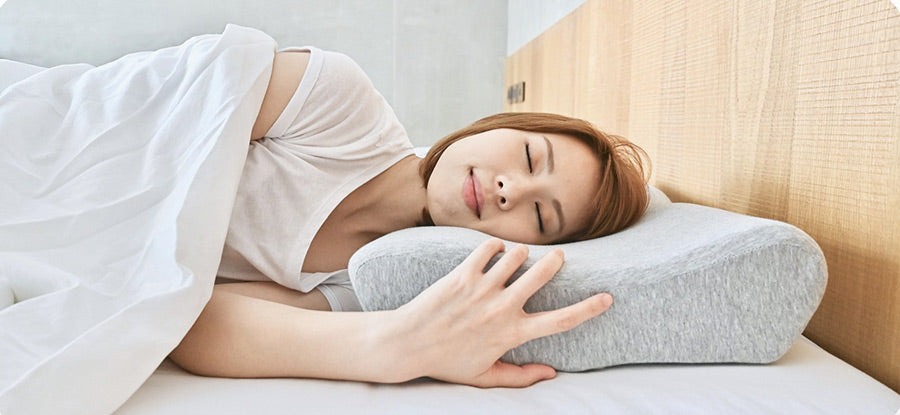
One of the most common reasons people snore is because they sleep on their backs. In this position, gravity can cause the tongue and soft tissues of the throat to collapse and obstruct the airway. Many snoring pillows are designed to encourage side sleeping, which helps prevent this obstruction. By keeping the sleeper in a more natural, side-lying position, the risk of snoring is reduced.
2. Neck and Head Support
Pillows that provide adequate support for the neck and head can improve the alignment of the airway. If the neck is improperly supported, the airway may become constricted, leading to snoring. Specialized snoring pillows, like contour pillows, help maintain proper alignment and reduce the chance of airway blockage.
3. Elevating the Head
Elevating the head while sleeping can also reduce snoring. Some people find that sleeping with their head raised slightly reduces the vibrations in the throat that cause snoring. There are pillows that are designed to elevate the head at a gentle incline, allowing for better airflow and reducing the likelihood of snoring.
4. Improving Breathing and Airflow
Some snoring pillows incorporate additional features, such as memory foam or cooling gel, which help keep the airways open by relieving pressure and enhancing airflow. These pillows may also assist with conditions like acid reflux or congestion that contribute to snoring.
Pros of Using Pillows for Snoring
While specialized pillows are not a one-size-fits-all solution, they can offer several benefits for those looking to reduce their snoring. Here are some of the primary advantages of using pillows to help with snoring.
1. Non-Invasive Solution
One of the key benefits of using snoring pillows is that they provide a non-invasive and relatively simple solution to the problem. Unlike surgical procedures or the use of CPAP (Continuous Positive Airway Pressure) machines, pillows are easy to incorporate into your daily routine and don’t require medical intervention.
2. Affordable
Snoring pillows are often an affordable option compared to more complex treatments. While the cost of a CPAP machine or surgical procedures can be high, specialized pillows are much more budget-friendly, with many options available at a fraction of the price.
3. Comfortable to Use
Pillows are a natural and comfortable way to support your sleep. Many people find it easier to adjust to sleeping on a specific type of pillow than to using other methods like mouthpieces or nasal strips. With the right pillow, users may experience better quality sleep, which can lead to improved overall health and well-being.
4. Versatility
Snoring pillows are available in various shapes, sizes, and materials to cater to different preferences. Whether you prefer memory foam, adjustable lofts, or cooling technology, there is likely a pillow designed to meet your needs. This versatility makes it easier to find a solution that works best for your specific snoring issue.
5. Support for Multiple Sleep Conditions
In addition to helping with snoring, certain types of pillows may also support other conditions, such as sleep apnea, acid reflux, and neck pain. Many snoring pillows offer multi-functional benefits, making them an attractive option for people dealing with a variety of sleep-related issues.
Cons of Using Pillows for Snoring
Despite the potential benefits, there are some downsides to using pillows as a solution for snoring. Here are some of the common drawbacks to consider.
1. Effectiveness Varies
Not all pillows are equally effective at reducing snoring. The success of a snoring pillow largely depends on the individual’s specific snoring issue. While some people may experience significant improvement, others may find that their snoring persists or worsens, even with the use of a specialized pillow. This variability can make it difficult to rely solely on pillows as a long-term solution.
2. Discomfort or Adjustment Period
Some individuals may find it uncomfortable to sleep with a new pillow, especially if it forces them into an unfamiliar sleep position. While side sleeping is often recommended to prevent snoring, it may take time for your body to adjust. Those who are accustomed to sleeping on their backs may find it difficult to stay in a side-sleeping position throughout the night.
3. Temporary Solution
Snoring pillows are often considered a temporary fix for snoring. While they may provide relief, they don’t address the root causes of snoring, such as obesity, nasal congestion, or sleep apnea. For long-term improvement, additional lifestyle changes or medical treatments may be necessary.
4. Limited Impact on Severe Snoring or Sleep Apnea
For individuals with severe snoring or sleep apnea, snoring pillows may not provide sufficient relief. In these cases, more advanced treatments like CPAP therapy or surgery may be required to address the underlying condition effectively.
5. Cost and Quality Variability
While snoring pillows are generally affordable, the quality can vary greatly between brands and models. Some pillows may not provide the necessary support or comfort, leading to wasted money and frustration. It’s important to research and invest in a high-quality pillow to see the desired results.
FAQs About Pillows for Snoring
1. Do pillows really help with snoring?
Yes, pillows can help reduce snoring for some individuals. Specialized pillows that encourage side sleeping, provide neck support, or elevate the head can alleviate airway obstruction and reduce the likelihood of snoring. However, their effectiveness can vary depending on the individual’s snoring causes.
2. Which type of pillow is best for snoring?
Memory foam pillows, wedge pillows, and contoured pillows are often recommended for snoring. These pillows provide adequate support for the neck and head, promote side sleeping, and may help with airway alignment. It’s essential to choose a pillow that suits your preferred sleeping position and comfort preferences.
3. Can a pillow cure sleep apnea?
No, pillows cannot cure sleep apnea. However, they may help reduce snoring and improve airflow, which can benefit people with mild cases of sleep apnea. For more severe cases, medical treatments such as CPAP therapy or surgery may be necessary.
4. Are there any side effects of using a snoring pillow?
Generally, snoring pillows are safe to use. However, some people may experience discomfort, especially if the pillow forces them into an uncomfortable position. It’s important to choose a pillow that fits your body and sleeping style to avoid any adverse effects.
5. How long will it take to see results?
The time it takes to see results from using a snoring pillow can vary. Some people may notice improvements after a few nights, while others may require several weeks to adjust to a new sleeping position. If snoring persists, further evaluation of other causes may be needed.
Conclusion
Snoring is a common issue that can disrupt sleep and impact overall health. While pillows may not offer a permanent solution for everyone, they can help reduce snoring by promoting better sleep positions, providing neck and head support, and improving airflow. The effectiveness of snoring pillows depends on the individual and the specific causes of their snoring. While there are some cons to consider, such as the need for an adjustment period and the potential for limited effectiveness in severe cases, many people find relief with the right pillow. If you suffer from chronic snoring, it may be worth exploring different pillow options to see if they can improve your sleep quality.
By understanding the pros, cons, and potential benefits of snoring pillows, you can make an informed decision about whether this solution is right for you.