

We spend roughly a third of our lives asleep, and much of that time, our head is resting on a pillow refresh . It’s an essential tool for comfortable, restorative sleep, cradling our head and neck, promoting proper spinal alignment. But just like your trusty toothbrush or favourite running shoes, pillows don’t last forever. They wear out, lose their supportive qualities, and, frankly, can become pretty unhygienic over time.
So, how often should you actually be swapping out your old pillow for a new one? It’s a question many of us forget to ask, often keeping the same pillow for years on end. We’ll dive into what sleep experts recommend, the tell-tale signs your pillow is past its prime, and how you can potentially extend its lifespan.
Why Replacing Your Pillow is Crucial for Health and Sleep
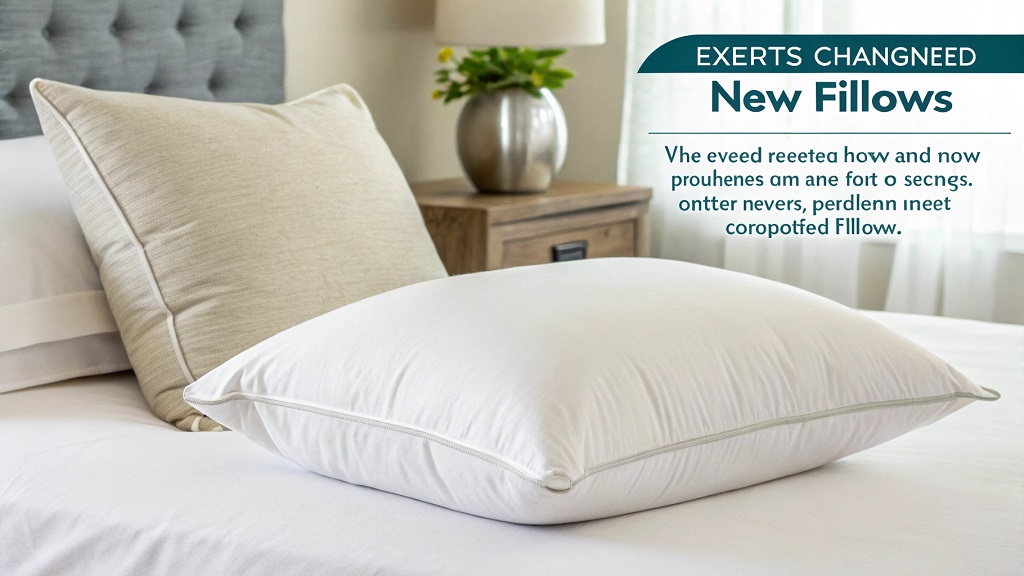
It might seem like a minor detail, but regularly replacing your pillow refresh impacts two key areas: hygiene and support.
- Hygiene Havoc: Night after night, your pillow absorbs a surprising amount of… well, stuff. Think sweat, body oils, saliva, dead skin cells, and hair products. Even with diligent pillowcase washing, these substances seep into the pillow’s core. This creates a welcoming environment for bacteria, mould, and fungi. Perhaps most notoriously, pillows become prime real estate for dust mites – microscopic creatures that feed on shed skin cells. Experts like Dr. Lindsay Broadbent have noted that after just two years, a significant portion (potentially up to 10%) of an old pillow’s weight can be made up of dead dust mites and their waste! For allergy sufferers or those with asthma, this build-up can trigger or worsen symptoms like sneezing, itchy eyes, runny nose, and respiratory issues. Even for those without allergies, sleeping face-first on a pillow teeming with microbes and allergens can contribute to skin irritation and acne breakouts.
- Support System Breakdown: Beyond the ‘ick’ factor, pillow refresh are fundamentally about support. They fill the gap between your head/neck and the mattress, keeping your spine aligned. Over time, pillow filling – whether it’s down, foam, or polyester – compresses, clumps, or breaks down. A pillow that becomes lumpy or flat loses its structural integrity. It can no longer provide the consistent, even support needed for your head and neck. This lack of support forces your neck muscles to compensate, leading to stiffness, neck pain, shoulder aches, tension headaches, and ultimately, poorer sleep quality as you struggle to find a comfortable position.
The General Rule: How Often Experts Recommend Changing Your pillow refresh
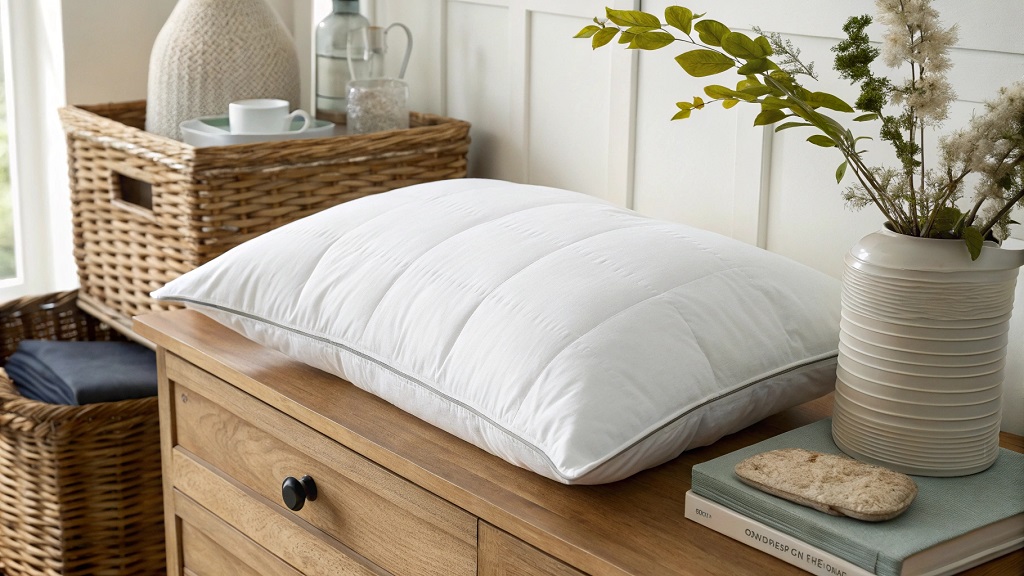
So, what’s the magic number? Most sleep experts and organizations like the Sleep Foundation generally recommend replacing your pillows every 1 to 2 years.
This timeframe ensures you’re consistently sleeping on a pillow that is both hygienic and supportive. However, this is a guideline, not a hard-and-fast rule. The actual lifespan of your pillow can vary significantly based on several factors.
Factors Influencing Pillow Lifespan
Not all pillows are created equal, and how you use and care for them matters.
- Pillow Material: This is perhaps the biggest factor.
- Polyester/Down Alternative: Often the most budget-friendly, these synthetic pillows tend to have the shortest lifespan, typically needing replacement every 6 months to 2 years as they flatten and clump relatively quickly.
- Down and Feather: These natural fills can last 1 to 3 years, sometimes longer with meticulous care (like regular fluffing and protectors). Higher quality down with good loft will generally last longer.
- Memory Foam/Polyfoam: These offer contouring support and generally last 2 to 3 years. Over time, the foam can break down, lose its responsiveness, or develop permanent indentations.
- Latex: Known for durability and resilience, latex pillows often last the longest, typically 3 to 5 years, sometimes even longer for high-quality versions.
- Buckwheat Hulls: These unique pillows can last a very long time (some users report 10+ years), primarily because you can refresh or replace the hulls inside periodically (around every 3 years).
- Wool: Often durable, wool pillows can last around 3-5 years with proper care.
- Quality of Materials: Within each material type, quality varies. A high-density memory foam or premium down pillow will likely outlast a cheaper counterpart. Look for pillows with good warranties (at least 1 year) as an indicator of quality.
- Sleeping Habits: Do you sweat a lot at night? Do you often go to bed with wet hair? Moisture can accelerate the breakdown of pillow materials and encourage mould growth. Tossing and turning frequently can also put more wear and tear on a pillow compared to someone who sleeps relatively still.
- Care and Maintenance: How you treat your pillow matters immensely. Using a pillow protector and washing it (and the pillow itself, if possible) regularly can significantly extend its usable life.
Signs It’s Time for a New Pillow
Your pillow refresh might be trying to tell you something. Pay attention to these signs:
- Visible Stains or Yellowing: Significant, persistent stains from sweat and oils, even after washing, indicate deep-set grime.
- Persistent Odors: If your pillow smells stale or unpleasant even after cleaning, it’s likely harbouring bacteria or mould.
- Lumps and Bumps: Feel the filling. Is it uneven, clumpy, or bumpy? This means inconsistent support.
- Flatness / Loss of Loft: Does the pillow look significantly flatter than when new?
- The Fold Test (for fiberfill/down): Fold your pillow in half. If it doesn’t spring back to its original shape relatively quickly but stays folded, it’s lost its resilience.
- The Press Test (for foam): Press your hand into the pillow. Does it take a long time to regain its shape, or does it stay indented?
- Waking Up with Pain: Frequent neck pain, shoulder aches, or tension headaches upon waking are classic signs your pillow isn’t providing adequate support.
- Increased Allergy Symptoms: If you find yourself sneezing more, or experiencing a stuffy nose or itchy eyes primarily at night or in the morning, your pillow could be overloaded with allergens.
- Constant Re-Fluffing: Do you find yourself punching or fluffing your pillow repeatedly throughout the night to get comfortable? It’s likely not holding its shape.
- You Just Feel Uncomfortable: Sometimes, it’s simple. If you’re consistently waking up feeling unrested or struggling to find a comfy spot, your pillow might be the culprit.
Sleep Experts Weigh In
Experts consistently emphasize both the hygiene and support aspects. The Sleep Foundation highlights that pillow replacement helps ensure you use pillow refresh that are “supportive, clean, and free of allergens.” They note that materials like polyester may only last a year, while latex can last up to three or more.
Clinical psychologist and sleep expert Michael Breus stresses the importance of good sleeping posture, stating it’s “key to sleeping soundly…and to waking without pain and stiffness,” implicitly linking pillow quality to posture.
Sources like Purple.com and Southern Living reiterate the 1-2 year guideline, mentioning the accumulation of dust mites, dead skin, and the loss of structural integrity leading to poor alignment and potential pain. The fact that an old pillow can consist of 10% dust mites and their droppings is a stark reminder of the hygiene issue.
Extending Your Pillow’s Life: Pillow Care 101

While replacement is inevitable, proper care can help you get the most out of your pillow:
- Use a Pillow Protector: This is non-negotiable! A washable protector acts as a barrier against moisture, oils, skin cells, and dust mites. Choose breathable materials like cotton or bamboo. Wash the protector weekly or bi-weekly with your bedding.
- Wash Your Pillow (If Possible): Check the care label! Many down, feather, and synthetic pillows are machine washable (use a gentle cycle, mild detergent, warm water). Wash 2 pillows at once for balance, if possible. Most foam pillows (memory, latex) cannot be machine washed; spot clean stains or hand wash carefully if instructions allow, ensuring they dry completely. Wash pillows every 3-6 months.
- Dry Thoroughly: Dampness leads to mould. Tumble dry washable pillows on low heat (tennis balls can help fluff) until completely dry. Air-dry foam pillows away from direct heat or sunlight. Occasionally airing pillows (especially foam/latex) in the sun can help kill mites and reduce moisture.
- Fluff Daily: Give your pillow a quick shake and fluff each morning to help redistribute the filling and maintain loft.
- Rotate and Flip: Don’t sleep on the same spot every night. Flip and rotate your pillow regularly (e.g., weekly when changing sheets) to ensure even wear.
- Vacuum Regularly: Use the upholstery attachment on your vacuum cleaner to remove surface dust and allergens from your pillow (especially helpful for non-washable types).
Choosing Your Next Pillow Wisely
When it’s time for a replacement, consider:
- Your Sleep Position: Side sleepers generally need thicker, firmer pillows; back sleepers need medium loft/firmness; stomach sleepers need thin, soft pillows (or none).
- Mattress Firmness: A softer mattress allows your shoulder to sink more (if side sleeping), potentially requiring a thinner pillow than a firm mattress.
- Material Preference: Consider feel, support, temperature regulation, and allergies.
- Allergies: Look for hypoallergenic materials or tightly woven covers.
Read More Also: The Best Way to Clean Throw Pillows Without Removable Covers (And Keep Them Looking Great!)
People Also Ask (FAQs)
-
Q: Can you actually wash pillows?
- A: Yes, many pillows (down, feather, polyester/synthetic) are machine washable. Always check the care label first. Use a gentle cycle and mild detergent. Foam pillows (memory, latex) usually require spot cleaning or careful hand washing and must be air-dried completely.
-
Q: What happens if you don’t change your pillow often enough?
- A: You risk sleeping on an unhygienic surface loaded with allergens (dust mites, bacteria, mould), potentially triggering allergies, skin issues (acne), and respiratory problems. You also risk poor sleep quality due to lack of support, leading to neck pain, shoulder aches, headaches, and stiffness.
-
Q: How often should you wash pillowcases?
- A: Experts recommend washing pillowcases at least once a week in hot water (if fabric allows) to kill dust mites and remove oils, sweat, and skin cells. Wash pillow protectors frequently too (weekly or bi-weekly).
-
Q: How long do memory foam pillows last?
- A: Typically 2-3 years. They lose support and responsiveness over time.
-
Q: Is it really bad to sleep on an old pillow?
- A: Yes, for both hygiene (allergen buildup) and support (potential pain and poor sleep) reasons.
Read More Also: Sprucing Up Your Space: How to Clean Throw Pillows Without a Zipper
Conclusion: Invest in Your Sleep Health
Your pillow refresh plays a vital role in your nightly rest and overall well-being. While the general guideline suggests replacing it every 1-2 years, the best indicator is the pillow itself and how you feel. Pay attention to the signs – loss of shape, stains, smells, or waking up with aches and pains. Regularly cleaning your pillow and using a protector can extend its life, but eventually, every pillow reaches its end.
Take a moment today to assess your own pillow. Is it still providing the clean, comfortable support you need for truly restorative sleep? If not, investing in a new one isn’t just an indulgence; it’s a smart investment in your health and sleep quality for 2025 and beyond. Sweet dreams!