

Waking up to a fresh breakout can be incredibly frustrating, especially when you’re diligently following your skincare pillowcases for acne routine. Did you know your pillowcase might be the culprit? Choosing the best pillowcase for acne is a crucial step in maintaining clear, healthy skin. Let’s dive into the world of pillowcases and discover how the right fabric can significantly impact your complexion overnight.
Why Your Pillowcase Matters for Acne Prevention
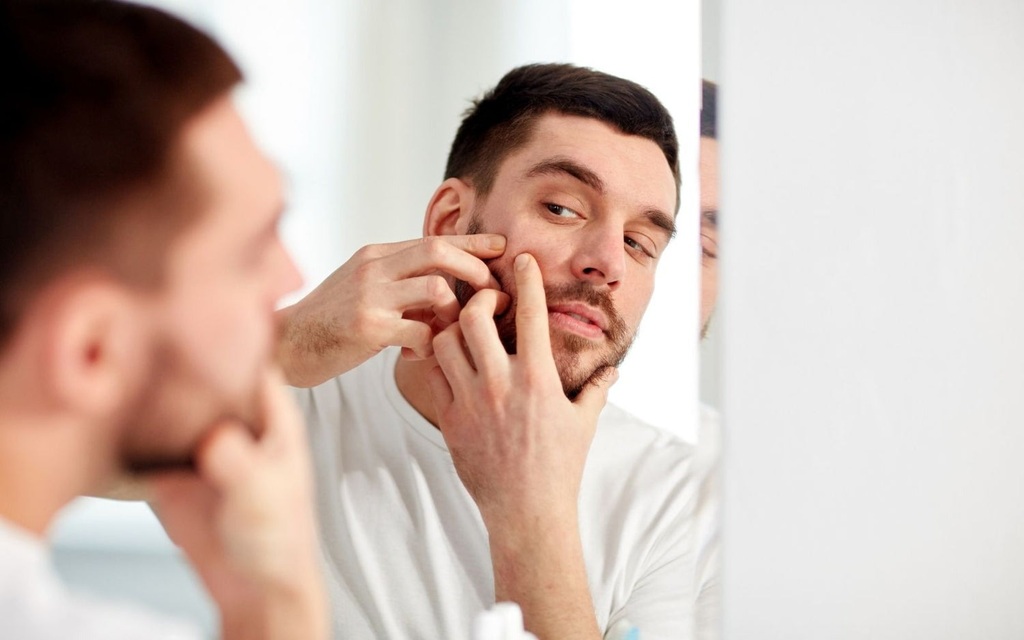
Your pillowcase comes into contact with your face for hours every night. It accumulates oil, dead skin cells, sweat, and product residue, creating a breeding ground for bacteria. This can lead to clogged pores and breakouts, particularly for those with acne-prone or sensitive skin. Using the right materials can minimize these issues.
Key Factors to Consider When Choosing an Acne-Friendly Pillowcase
Selecting the ideal pillowcase involves more than just picking a pretty pattern. Here are essential factors to consider:
- Fabric Type: The material dictates how well your skin breathes and how much bacteria accumulates.
- Thread Count: A higher thread count doesn’t always mean better; focus on the fabric itself.
- Hypoallergenic Properties: Essential for sensitive skin to prevent irritation.
- Ease of Cleaning: Regular washing is crucial, so choose a fabric that’s easy to maintain.
The Top Fabric Choices for Acne-Prone Skin
Understanding the properties of different fabrics is key to making an informed decision.
-
Silk Pillowcases: Luxury and Skin Benefits
Silk is renowned for its smooth, friction-free surface. This reduces irritation and prevents the tugging that can lead to wrinkles and breakouts.
- Benefits:
- Naturally hypoallergenic.
- Reduces friction and irritation.
- Helps retain skin moisture.
- Smooth surface that minimizes hair breakage.
- Considerations:
- Can be more expensive.
- Requires gentle washing.
- “Mulberry Silk” is considered the highest quality.
-
Satin Pillowcases: A Budget-Friendly Alternative
Satin offers a similar smooth surface to silk but is typically made from polyester or nylon.
- Benefits:
- Reduces friction and irritation.
- More affordable than silk.
- Easy to wash and maintain.
- Considerations:
- Not as breathable as silk.
- May not be as hypoallergenic.
- Can trap heat.
-
Bamboo Pillowcases: Natural and Breathable
Bamboo fabric is naturally antimicrobial and moisture-wicking, making it an excellent choice for acne-prone skin.
- Benefits:
- Naturally antimicrobial and hypoallergenic.
- Highly breathable and moisture-wicking.
- Eco-friendly and sustainable.
- Soft and comfortable.
- Considerations:
- Can be slightly more expensive than cotton.
- Look for bamboo lyocell or rayon from bamboo.
-
Cotton Pillowcases: The Classic Choice
While cotton is a common choice, not all cotton is created equal. Look for organic or long-staple cotton.
- Benefits:
- Breathable and comfortable.
- Relatively affordable.
- Easy to wash.
- Widely available.
- Considerations:
- Can absorb moisture and oils.
- Lower quality cotton can be rough and irritating.
- Look for percale cotton.
How to Properly Care for Your Acne-Fighting Pillowcase
Regular cleaning is essential to keep your pillowcase free from bacteria and irritants.
- Washing Frequency: Wash your pillowcase at least two to three times a week.
- Washing Method: Use a gentle, fragrance-free detergent.
- Drying: Air-drying is preferred, but low heat in the dryer is also acceptable.
- Avoid Fabric Softeners: These can leave residue that irritates the skin.
Additional Tips for Clearer Skin While You Sleep
Beyond choosing the right pillowcase, consider these additional tips:
- Clean Your Face Before Bed: Remove all makeup and impurities.
- Change Your Pillowcase Frequently: Don’t wait too long between washes.
- Consider a Silk or Satin Hair Bonnet: Protect your hair and prevent product transfer to your pillow.
- Hydrate Your Skin: Well-hydrated skin is less prone to breakouts.
- Maintain a Consistent Skincare Routine: Combine a great pillowcase with a great routine.
Comparing Pillowcase Materials: A Quick Guide
| Material | Benefits | Considerations | Best For |
| Silk | Hypoallergenic, reduces friction, retains moisture | Expensive, requires gentle washing | Sensitive skin, anti-aging |
| Satin | Affordable, reduces friction, easy to wash | Less breathable, not as hypoallergenic | Budget-conscious, hair protection |
| Bamboo | Antimicrobial, breathable, moisture-wicking | Slightly more expensive | Acne-prone, eco-conscious |
| Cotton | Breathable, affordable, easy to wash | Can absorb oils, quality varies | General use, affordability |
Addressing Common Concerns About Pillowcases and Acne
-
Can a dirty pillowcase cause cystic acne?
- While a dirty pillowcase can contribute to breakouts, cystic acne is often related to hormonal imbalances and requires professional treatment.
-
Are silk pillowcases worth the investment for acne?
- For many, the benefits of reduced friction and irritation make silk pillowcases a worthwhile investment.
-
How often should I wash my pillowcase if I have acne?
- Washing your pillowcase two to three times a week is recommended.
Taking the Next Step: Invest in Your Skin’s Health
Choosing the best pillowcase for acne is a simple yet pillowcases for acne effective way to improve your skin’s health. Whether you opt for luxurious silk, breathable bamboo, or budget-friendly satin, the right fabric can make a significant difference. Don’t let your pillowcase sabotage your skincare efforts.
Read More Also: Choosing the Best Pillow for a 3-Year-Old: A Parent’s Comprehensive Guide
Call to Action:
Ready to experience clearer, healthier skin? Invest in a high-quality pillowcase today! Explore our recommendations and find the perfect match for your skin type. Share your experiences and tips in the comments below!