

In today’s fast-paced world, quality sleep has become more important than ever. One product gaining popularity is the cooling pillow. But do cooling pillows really work? This article dives into the science, benefits, drawbacks, and top picks to help you decide if this sleep aid fits your needs.
What Are Cooling Pillows?
Cooling pillows are designed to regulate temperature and prevent heat buildup during sleep. They often use special materials like gel-infused memory foam, breathable fabrics, or phase-change materials (PCMs) that absorb and dissipate heat. The idea is to keep your head and neck cool, improving comfort and promoting deeper sleep.
How Do Cooling Pillows Work?
The technology behind cooling pillows varies:
- Gel-infused memory foam: Gel beads embedded in the foam absorb heat from the body, distributing it to prevent hotspots.
- Phase-change materials (PCMs): These materials absorb heat when the temperature rises and release it as it cools, maintaining an optimal temperature.
- Breathable covers: Materials like bamboo or mesh increase airflow, which aids in cooling through evaporation.
Each of these approaches aims to reduce the body’s core temperature slightly, a key factor in falling asleep faster and staying asleep longer.
Do Cooling Pillows Really Work? Evidence and Opinions
Scientific studies suggest that a drop in core body temperature helps induce sleep. For example, a 2019 study in the Journal of Physiological Anthropology found that participants using cooling pillowcases fell asleep faster and experienced fewer nighttime awakenings. However, the effectiveness often depends on individual preferences and environmental factors.
Users frequently report feeling cooler and more comfortable with these pillows, but some find little to no difference. It’s important to remember that cooling pillows can’t replace a cold room or proper bedding.
Pros of Cooling Pillows
- Improved sleep quality: Cooling pillows may help reduce night sweats and overheating, especially for those with menopause or medical conditions like hyperhidrosis.
- Reduced tossing and turning: Staying cool often means fewer disruptions, leading to deeper, more restorative sleep.
- Better breathability: Many cooling pillows come with covers made from moisture-wicking fabrics, preventing clamminess.
- Suitable for hot climates: People living in warmer regions or who sleep hot year-round might see the most benefit.
Cons of Cooling Pillows
- Price: Cooling pillows usually cost more than traditional options, sometimes double or triple the price.
- Durability issues: Some gel-infused pillows lose their cooling effect over time as gels degrade.
- Limited cooling effect: The cooling sensation might be minimal for some users, especially if the bedroom environment remains warm.
- Varied comfort: Not everyone likes the feel of gel or memory foam, which can feel too firm or too soft.
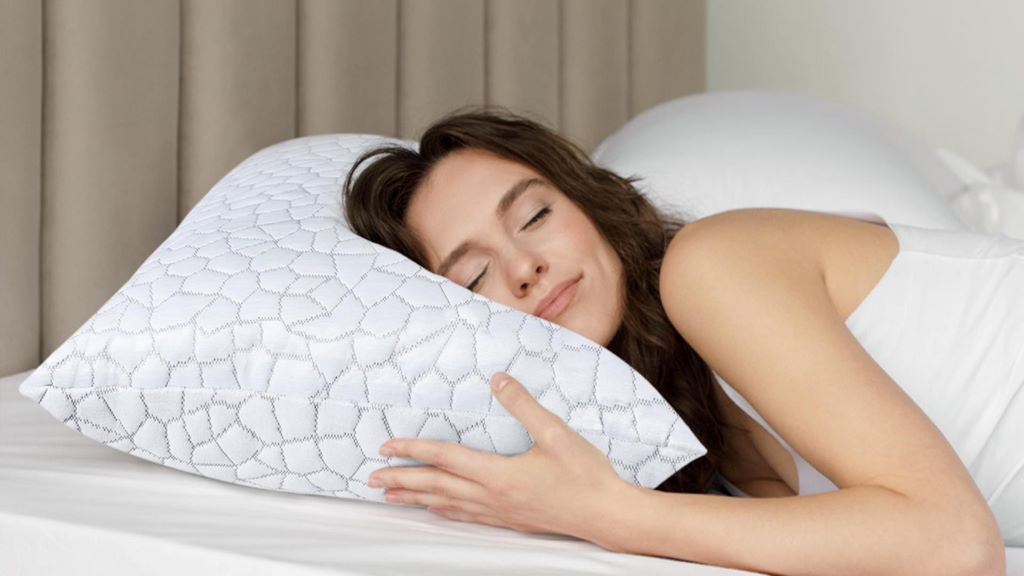
Expert Picks: Best Cooling Pillows of 2025
Here are some top-rated cooling pillows based on consumer reviews and expert analyses:
- Tempur-Pedic TEMPUR-breeze: Known for advanced cooling technology with layers that maintain a cool surface without sacrificing support.
- Classic Brands Reversible Cooling Gel Memory Foam: Offers great airflow with a gel layer, balanced with comfortable memory foam support.
- Coop Home Goods Eden Pillow: Features shredded memory foam and a breathable cover that adapts well to different sleeping positions.
- Purple Harmony Pillow: Uses hyper-elastic polymer grid that naturally promotes airflow and cooling.
Real Solutions and Tips for Maximizing Cooling Pillow Benefits
- Pair cooling pillows with breathable sheets and keep the room temperature between 60-67°F.
- Use a fan or air conditioning for better airflow.
- Rotate or flip the pillow regularly to maintain its cooling properties.
- Choose a pillow that matches your sleep style — side, back, or stomach sleeper.
Featured Snippet (Q&A)
Do cooling pillows really work to improve sleep quality?
Cooling pillows work by regulating head and neck temperature through materials like gel-infused foam and breathable covers. This helps reduce overheating, a common cause of restless sleep. Scientific studies, such as those published in the Journal of Physiological Anthropology, support their effectiveness for many users. However, their impact depends on individual preferences and bedroom conditions. For best results, pair a cooling pillow with proper room ventilation and breathable bedding.
Frequently Asked Questions
- Can cooling pillows help with night sweats?
Yes, cooling pillows can reduce heat buildup, making them beneficial for people who sweat at night. - Are cooling pillows suitable for all sleep positions?
Some cooling pillows are better for side sleepers, while others suit back or stomach sleepers. Always check product specs. - How long do cooling pillows last?
Depending on materials, most cooling pillows last between 2-4 years before losing effectiveness. - Do cooling pillows require special care?
Many have removable, washable covers. Memory foam pillows require spot cleaning only. - Can cooling pillows prevent migraines?
Some users report relief from headaches due to better temperature regulation, but evidence is anecdotal. - Are cooling pillows safe for children?
Yes, but always choose non-toxic materials and appropriate sizes. - Do cooling pillows work better than fans or air conditioners?
Cooling pillows complement these devices but are not a full substitute for room temperature control.
Final Thought
Do cooling pillows really work? The answer depends on your personal sleep needs and environment. They offer tangible benefits by managing temperature and increasing comfort, particularly for hot sleepers or those with conditions like night sweats. However, their effectiveness varies, and they work best alongside good sleep hygiene and room climate control. When choosing a cooling pillow, consider your sleeping style, budget, and preferred cooling technology to make the most informed choice.
Read More:
Best Pillow for 2-Year-Old: Safe & Comfortable Picks for Sweet Dreams