

Choosing the right filling for your bedding or cushions can dramatically affect your comfort, health, and sleep quality. The three most popular options down, wool, and memory foam offer unique benefits and drawbacks. Understanding the differences between these natural and synthetic fillings will help you make a smarter, more informed decision.
What’s the Real Difference Between Down, Wool, and Memory Foam?
Let’s start with a clear breakdown.
- Down is a natural product derived from the soft undercoat of ducks or geese.
- Wool comes from sheep and is prized for its breathability and natural insulation.
- Memory foam is synthetic, made from polyurethane, and engineered to contour the body.
Each has distinct properties in terms of temperature regulation, durability, allergen resistance, and sustainability. Your final choice depends largely on personal needs and lifestyle.
Down: Luxurious Comfort with a Few Caveats
Down is often regarded as the epitome of plush luxury. It’s light, soft, and offers unbeatable insulation. High-quality down, especially goose down, traps heat efficiently, making it ideal for cold climates.
However, not all down is created equal. Fill power—a number ranging from 400 to 900—measures quality. A higher fill power means better insulation and longer lifespan.
According to the American Down and Feather Council, down can last up to 20 years if properly maintained. However, it requires regular fluffing and airing out to maintain loft and prevent clumping.
Pros:
- Ultra-light and breathable
- Excellent insulation
- Long-lasting with care
Cons:
- Can trigger allergies
- Requires regular maintenance
- Expensive
Ethical sourcing is another concern. Some manufacturers still engage in live plucking, which raises serious animal welfare issues. Look for down products certified by the Responsible Down Standard (RDS) to ensure humane sourcing.
Wool: Natural, Temperature-Regulating, and Hypoallergenic
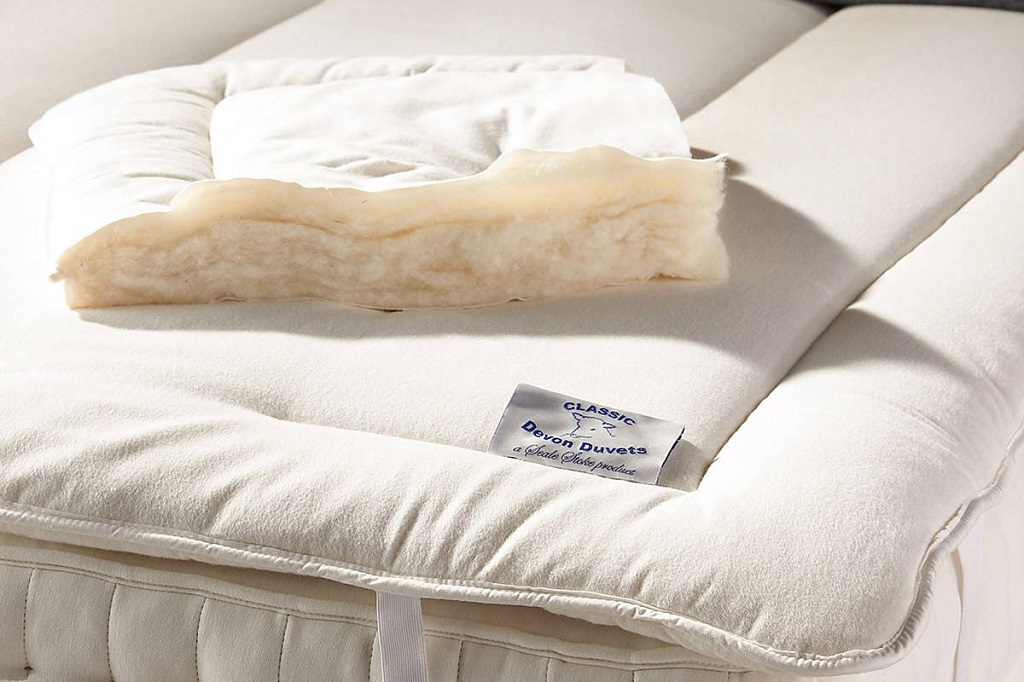
Wool is a powerhouse of natural benefits. It regulates body temperature exceptionally well—keeping you warm in winter and cool in summer. This is due to its moisture-wicking properties, which can absorb up to 30% of its weight in moisture without feeling damp.
According to Woolmark, wool is also naturally hypoallergenic and resistant to dust mites, mold, and mildew. This makes it a strong contender for people with asthma or sensitivities.
Pros:
- Hypoallergenic and mold-resistant
- Excellent temperature regulation
- Biodegradable and sustainable
Cons:
- Heavier than down or memory foam
- Not as soft or cushiony
- Can be expensive
Wool bedding is often recommended for infants and people with autoimmune conditions due to its chemical-free and breathable nature. However, it’s not always the first choice for those who prefer a super-soft feel.
Memory Foam: Engineered for Pressure Relief and Contouring
Memory foam exploded in popularity thanks to its pressure-relieving capabilities. It conforms to the body’s shape, promoting spinal alignment and reducing joint pain. For people with back issues, it can be a game-changer.
A study published in the Journal of Manipulative and Physiological Therapeutics found that medium-firm memory foam mattresses reduced lower back pain in 63% of participants within four weeks.
Unlike natural fillings, memory foam resists dust mites and allergens. It doesn’t require fluffing or maintenance and is generally more affordable than high-end down or wool.
Pros:
- Excellent pressure relief
- Affordable and low maintenance
- Hypoallergenic
Cons:
- Retains heat
- Made from synthetic chemicals
- Not biodegradable
Newer gel-infused or open-cell memory foams improve breathability, but they still lag behind natural materials like wool when it comes to temperature control.
Real-Life Example: Which Works Best for Whom?
Consider Sarah, a 40-year-old allergy sufferer who lives in a humid climate. Down would be a poor choice for her due to allergens and moisture retention. Wool offers her breathability and allergen resistance, making it the better fit.
Now take Alex, a software engineer with chronic back pain. Memory foam pillows and mattresses align his spine and reduce discomfort. The synthetic option supports his needs better than natural alternatives.
Finally, Emma, a minimalist living in a cold region, prefers down for its warmth and lightness. Her ethically-sourced down comforter keeps her cozy without extra weight.
Featured Snippet: What’s the Best Filling for People with Allergies?
Q: Is down, wool, or memory foam best for people with allergies?
For allergy sufferers, memory foam and wool are better choices than down. Memory foam resists dust mites and mold, while wool naturally repels allergens and moisture. Down, especially if untreated, can harbor dust and microbes that trigger allergic reactions. Always opt for certified hypoallergenic options. According to the Asthma and Allergy Foundation of America, synthetic and natural hypoallergenic materials can improve sleep quality and reduce respiratory symptoms when chosen wisely.
Read More Also: Sustainable & Organic Pillows
FAQs
Is memory foam environmentally friendly?
Not inherently. It’s made from petroleum-based chemicals. However, some brands use plant-based foams and recyclable materials.
Can wool bedding be machine washed?
Some can, but always check the label. Most wool products require spot cleaning or dry cleaning.
Does down lose its loft over time?
Yes, especially if not properly maintained. Regular fluffing and airing are essential.
Which filling lasts the longest?
Down can last up to 20 years. Memory foam typically lasts 7–10 years. Wool falls in between, depending on usage and care.
Are these fillings suitable for pets?
Wool is best for pets due to its odor resistance and natural durability.
Can I use a mix of fillings?
Yes, many manufacturers offer hybrid products combining down and memory foam or wool and latex.
Which is better for hot sleepers?
Wool is the best for temperature regulation. Gel-infused memory foam is a second option.
Final Thought: Which Filling Should You Choose?
Choosing between down, wool, or memory foam depends on your lifestyle, health needs, and comfort preferences. Each filling offers unique benefits:
- Choose down if you value luxury and live in a cooler climate.
- Opt for wool for breathability, sustainability, and hypoallergenic qualities.
- Go with memory foam if you need pain relief and prefer low-maintenance options.
Always prioritize certified products that align with your health, environmental values, and comfort needs. Invest wisely, and your sleep—and well-being—will thank you.
References: