

Swollen legs can feel heavy, painful, and frustrating, especially after a long day of standing or sitting. Many people in the United States deal with this issue due to poor circulation, long work hours, or health conditions. According to the Centers for Disease Control and Prevention, about 6 million adults in the US suffer from chronic venous disease, a common cause of leg swelling. At the same time, research from the National Institutes of Health shows that proper leg elevation can significantly improve blood flow and reduce discomfort.
The wedge pillow for legs swelling is a simple yet highly effective tool that helps elevate your legs in the correct position. When used properly, it can reduce swelling, ease pain, and support better circulation. This guide explains exactly how to use a wedge pillow for legs swelling and how to get the best results.
What Is a Wedge Pillow and How Does It Work
A wedge pillow is a firm, triangular shaped pillow designed to support the body at an angle. Unlike regular pillows, it maintains a stable incline that does not flatten during use. This design makes it ideal for elevating the legs above heart level.
When you elevate your legs, gravity helps move blood and fluid back toward the heart. As a result, swelling decreases and circulation improves. This process reduces pressure in the veins and helps prevent fluid buildup in the lower limbs.
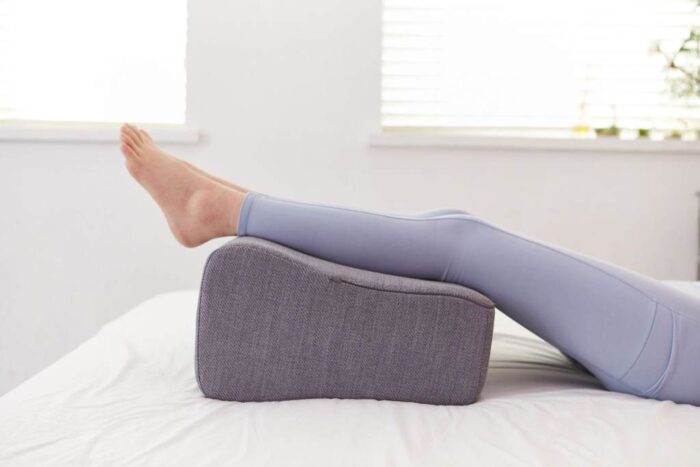
Moreover, wedge pillows provide consistent support, which prevents improper positioning. Poor positioning can reduce effectiveness or even cause discomfort. Therefore, using a wedge pillow ensures your legs stay in the optimal position for longer periods.
Why Leg Elevation Is Important for Circulation
Leg elevation is more than just a comfort technique. It plays a critical role in improving vascular health. Many people experience swelling due to blood pooling in the legs. This often happens when veins struggle to push blood upward against gravity.
When you raise your legs, several benefits occur:
- Blood flow improves toward the heart
- Fluid buildup decreases in tissues
- Pressure in veins reduces
- Pain and heaviness become less noticeable
Additionally, elevation helps people with conditions like varicose veins, edema, and even pregnancy related swelling. It also supports recovery after long travel or intense physical activity.
Over time, consistent elevation can help prevent complications such as skin changes or ulcers caused by poor circulation.
How to Use a Wedge Pillow for Legs Swelling Correctly
Step by Step Positioning Guide
Using a wedge pillow properly is essential for maximum benefit. Follow these steps to ensure correct positioning:
- Place the wedge pillow on a flat surface like a bed or floor
- Lie down on your back in a relaxed position
- Position your legs on the slope so they are elevated above your heart
- Keep your knees slightly bent for comfort
- Ensure your lower back remains supported and relaxed
Correct alignment is important because improper angles can strain your back or reduce circulation benefits.
Ideal Angle for Leg Elevation
The angle of elevation matters more than most people realize. A wedge pillow typically provides a 30 to 45 degree incline, which is considered optimal.
At this angle:
- Blood flows more efficiently
- Pressure on veins decreases
- Comfort is maintained for longer sessions
Avoid overly steep angles, as they can restrict blood flow or cause discomfort in the hips and knees.
Benefits of Using a Wedge Pillow for Leg Swelling
Improved Blood Circulation
One of the biggest advantages is better circulation. Elevation helps veins push blood upward more easily. This reduces strain on the circulatory system and promotes healthier blood flow.
Reduced Pain and Discomfort
Swelling often leads to aching and tightness. A wedge pillow helps relieve this by reducing fluid buildup. As a result, you feel lighter and more comfortable.
Faster Recovery After Activity
After exercise or long work hours, your legs need recovery. Elevation speeds up this process by improving oxygen delivery and reducing inflammation.
Prevention of Future Swelling
Consistent use can help prevent recurring swelling. It supports long term vein health and reduces the risk of chronic conditions.
When and How Long Should You Use a Wedge Pillow
Best Times to Use It
Timing plays an important role in effectiveness. Consider using a wedge pillow:
- After long periods of standing or sitting
- Before bedtime to reduce overnight swelling
- After exercise or physical strain
- During relaxation or reading time
Recommended Duration
Most experts suggest elevating your legs for 15 to 30 minutes at a time. You can repeat this several times a day depending on your needs.
However, avoid staying in one position for too long. Movement is still important for overall circulation. Therefore, combine elevation with light activity throughout the day.
Who Can Benefit the Most from a Wedge Pillow
People with Chronic Leg Swelling
Individuals with conditions like edema or venous insufficiency benefit greatly from regular elevation. It helps manage symptoms and improves comfort.
Office Workers and Sedentary Lifestyles
Sitting for long hours slows circulation. A wedge pillow can counteract this effect and reduce swelling after work.
Pregnant Women
Pregnancy often causes fluid retention in the legs. Elevation provides safe and effective relief without medication.
Athletes and Active Individuals
After intense workouts, muscles and tissues need recovery. Elevation reduces inflammation and speeds healing.
Common Mistakes to Avoid
Even though wedge pillows are simple to use, mistakes can reduce their effectiveness.
Avoid these common errors:
- Placing the pillow too low, below heart level
- Using a pillow that is too soft and loses shape
- Keeping legs completely straight without support
- Staying in one position for too long
- Ignoring proper posture of the back and hips
Correcting these mistakes ensures better results and prevents discomfort.
Additional Tips to Enhance Results
Combine with Compression Therapy
Compression socks can work alongside elevation to improve circulation. They help prevent blood from pooling in the legs.
Stay Hydrated
Proper hydration supports healthy blood flow and reduces fluid retention. Drink enough water throughout the day.
Gentle Movement and Stretching
Light exercises like ankle rotations or walking improve circulation. Combine them with elevation for better results.
Maintain a Healthy Weight
Excess weight puts pressure on veins. Managing weight can reduce swelling and improve overall health.
Conclusion
Using a wedge pillow for legs swelling is a simple yet powerful way to improve circulation and reduce pain. It works by elevating your legs at the right angle, allowing gravity to assist blood flow and reduce fluid buildup. When used consistently, it can ease discomfort, speed recovery, and support long term vein health.
Start incorporating this method into your daily routine today. Even short sessions can make a noticeable difference in how your legs feel. If swelling persists, consult a healthcare professional for personalized advice.
FAQs
What is the best height for a wedge pillow for leg swelling
A height that keeps your legs above heart level is ideal. Most wedge pillows with a 30 to 45 degree incline work well for improving circulation.
Can I sleep all night with my legs on a wedge pillow
Yes, you can, but comfort is key. Make sure your body is properly aligned and supported to avoid strain on your back or hips.
How often should I elevate my legs daily
You should aim for 2 to 4 sessions per day, each lasting 15 to 30 minutes. Adjust based on your comfort and needs.
Does leg elevation help with varicose veins
Yes, it reduces pressure in the veins and improves blood flow. This can help manage symptoms and prevent worsening.
Are wedge pillows better than regular pillows
Yes, because they maintain a stable incline. Regular pillows often flatten and fail to provide consistent support.