

Reading is one of life’s great pleasures. However, sitting in the wrong position for too long can turn that pleasure into pain. Neck stiffness, back aches, and shoulder tension are common complaints among avid readers. The good news is that a quality reading support pillow can solve most of these problems.
Choosing the right one, though, takes a little thought. There are many options on the market. They vary in shape, size, fill material, and design. Therefore, knowing what to look for before you buy can save you both money and discomfort.
This guide walks you through everything you need to know. By the end, you will feel confident picking the pillow that fits your reading habits perfectly.
Why Your Reading Posture Matters More Than You Think
Most people do not think about posture when they sit down to read. They grab their book, sink into the couch, and start flipping pages. Within an hour, however, their back starts to ache and their neck feels tight.
This happens because poor posture puts unnecessary strain on your spine. When you slouch or crane your neck forward, your muscles have to work much harder than they should. Over time, this leads to chronic discomfort.
A reading support pillow is designed to prevent exactly this. It props your back, supports your arms, and keeps your spine in a neutral position. Therefore, you can read for longer without feeling the physical cost afterward.
Additionally, proper support improves your focus. When you are not distracted by discomfort, your mind stays on the page. You absorb more. You enjoy the experience more.
Understanding the Different Types of Reading Pillows
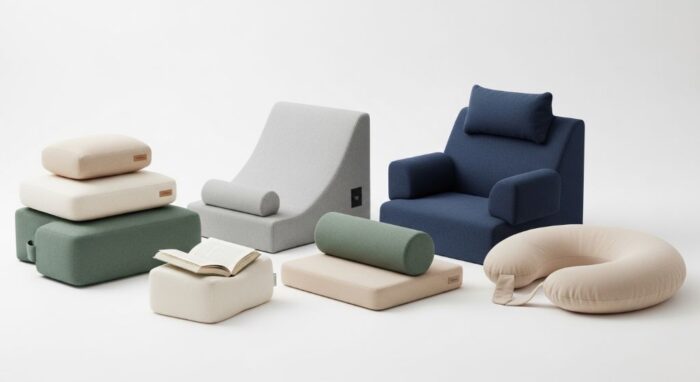
Not all reading pillows are the same. Understanding the main types helps you narrow down your choices quickly.
Bed wedge pillows are triangular in shape. They elevate your upper body at an angle, which is ideal if you like reading in bed. They promote a reclined posture that reduces lower back pressure. Additionally, they are great for people who suffer from acid reflux or snoring, making them a multi-purpose choice.
Husband pillows, also called backrest pillows, are the classic reading pillow shape. They feature a high back and two armrests that extend outward. This design mimics the support of a chair. Therefore, they are perfect for reading on the floor or against a headboard.
Lap pillows rest across your thighs and support your book or tablet at a comfortable height. They reduce the strain of holding your reading material up for long periods. However, they do not provide back support on their own, so they work best when combined with another support option.
Lumbar pillows are smaller and designed specifically to support the lower back. They fit behind the natural curve of your spine. Therefore, they work well when you are reading in a chair that lacks proper lumbar support.
Key Features to Look for When Buying a Reading Pillow
Once you know which type suits you, it is time to examine the specific features. These details make a big difference in day-to-day comfort.
Fill Material
The fill inside the pillow determines how firm or soft it feels. Memory foam conforms to the shape of your body. It distributes weight evenly and holds its shape well over time. Shredded foam is softer and more adjustable. Polyester fiberfill is the most affordable option, though it tends to flatten faster. Therefore, consider how much support you need before choosing a fill.
Cover Fabric
The outer fabric affects both comfort and durability. Cotton covers are breathable and soft against the skin. Velvet covers feel luxurious but may trap heat. Microfiber is easy to clean and resistant to wear. Additionally, look for a removable, machine-washable cover. This makes maintenance much simpler.
Size and Height
Size matters more than people expect. A pillow that is too small will not provide enough support. One that is too large may feel cumbersome. Consider your own body size and where you plan to use it. If you read in bed, a taller backrest works well. If you travel frequently, a compact option is more practical.
Armrest Design
For husband-style pillows, the armrests deserve special attention. Wide, padded armrests reduce fatigue in your shoulders and elbows. Narrow or flat armrests offer less comfort during extended sessions. Therefore, test or check product dimensions before purchasing.
Matching Your Pillow to Your Reading Environment
Where you read influences which pillow will work best for you. Think about your most common reading spots.
If you read in bed, a wedge pillow or a tall backrest pillow is your best option. Both provide the elevation and back support you need when reclining. Additionally, a bed-friendly pillow should be easy to move and store when not in use.
If you read on the sofa, a husband pillow works beautifully. It gives you the feel of sitting in a supportive chair even on a soft, sinking couch. However, make sure the pillow is wide enough to stay stable on your particular sofa style.
If you read at a desk or in an office chair, a lumbar pillow is probably all you need. Most desk chairs already provide some support. A lumbar pillow simply fills in the gap at your lower back, correcting your sitting posture without requiring a whole new setup.
If you read on the floor, a large backrest pillow with armrests is ideal. It turns any hard floor into a cozy reading nook. Therefore, look for a model with a non-slip base to keep it from sliding around.
Practical Tips for Getting the Most Out of Your Reading Pillow
Buying the right pillow is only half the job. Using it correctly makes all the difference.
Position the pillow so your spine feels naturally aligned. Your lower back should feel supported, not pushed forward aggressively. Your shoulders should sit relaxed, not hunched. Your neck should feel neutral, not angled sharply up or down.
Take short breaks even with a good pillow. Stand up, stretch, and walk around every forty-five minutes or so. No pillow can fully substitute for movement. However, with the right support, those breaks become a choice rather than a necessity forced by pain.
Keep your reading material at eye level whenever possible. A lap desk combined with your reading pillow can help achieve this. Additionally, good lighting reduces the urge to hunch forward, which further protects your posture.
Wash your pillow cover regularly. Oils from your skin and hair accumulate over time. A clean cover feels fresher and lasts longer. Therefore, choose a pillow with an easy-to-remove cover from the start.
Budget Considerations and What to Expect at Each Price Point
Reading pillows are available across a wide range of prices. Knowing what each budget level typically offers helps you set realistic expectations.
At the lower end of the price range, you will find basic polyester-filled pillows. They are comfortable for casual or occasional readers. However, they tend to compress quickly and may need replacing within a year or two.
Mid-range pillows usually feature memory foam or high-density shredded foam. They last longer and offer noticeably better support. Additionally, they often come with better cover fabrics and more thoughtful ergonomic design. For most regular readers, this is the sweet spot.
Premium pillows use top-grade materials, offer customizable firmness, and sometimes include additional features like pockets for storing a phone or remote. They are an excellent investment for people who read daily or have existing back and neck issues.
Therefore, think of your reading pillow as a long-term wellness purchase rather than a quick accessory buy. Spending a little more upfront often saves discomfort and replacement costs down the line.
Conclusion
Choosing the right reading support pillow comes down to understanding your body, your reading habits, and your environment. Start by identifying where you read most often. Then select the pillow type that matches that space. Pay close attention to fill material, cover fabric, size, and armrest design. Finally, use your pillow correctly and maintain it well.
A good reading pillow is a simple investment that pays off every single time you sit down with a book. It protects your posture, reduces fatigue, and makes long reading sessions genuinely enjoyable. Therefore, take your time, do your research, and choose wisely. Your back, neck, and reading habit will all thank you for it.
Frequently Asked Questions
- What is the best reading pillow for reading in bed?
A wedge pillow or a husband-style backrest pillow works best for reading in bed. Wedge pillows elevate your upper body at a comfortable angle, while backrest pillows mimic the support of a chair. Both reduce strain on your neck and lower back during long sessions.
- Can a reading pillow help with back pain?
Yes, it can. A reading support pillow helps maintain proper spinal alignment, which reduces muscle strain. However, if you have chronic or severe back pain, it is best to consult a healthcare professional before relying solely on a pillow for relief.
- How do I clean a reading pillow?
Most reading pillows come with a removable cover that can be machine-washed. The inner fill, especially memory foam, should not be machine-washed. Spot clean the fill with a mild detergent and allow it to air dry fully before using it again. Always check the care label for specific instructions.
- Are reading pillows suitable for children?
Yes, many reading pillows are suitable for children. However, choose a smaller size that fits their body proportions. A pillow that is too large will not provide the right support and may actually encourage poor posture rather than correcting it.
- How long do reading pillows typically last?
The lifespan depends on the fill material and how often the pillow is used. Polyester-filled pillows may last one to two years before flattening noticeably. Memory foam and high-density foam pillows can last three to five years or longer with proper care. Washing the cover regularly and storing the pillow properly also helps extend its life.
Related Topics:
Beyond the Fluff: Comparing Buckwheat Pillows for Neck and Shoulder Pain Relief
Best Pillow Shapes for Side Sleepers: A Comprehensive Guide