

Waking up with neck pain or stiffness can ruin your entire day. Many people overlook one simple factor that plays a major role in sleep quality, your pillow. Research from the National Institutes of Health shows that poor sleep posture increases the risk of chronic neck pain by up to 60 percent. At the same time, the Centers for Disease Control and Prevention reports that one in three adults in the United States does not get enough quality sleep.
Choosing the right pillow for back sleeper is not just about comfort. It directly affects your neck support, spinal alignment, and overall health. If you sleep on your back, the right pillow can keep your head, neck, and spine in a neutral position all night. This guide will help you make a smart and informed decision.
Why Pillow Choice Matters for Back Sleepers
Back sleeping is often considered the healthiest position. It distributes weight evenly and reduces pressure on joints. However, the benefits only apply if your pillow supports proper alignment.
When your pillow is too high or too flat, your neck bends unnaturally. Over time, this leads to muscle strain and discomfort. A well chosen pillow keeps your ears aligned with your shoulders. It also maintains the natural curve of your neck.
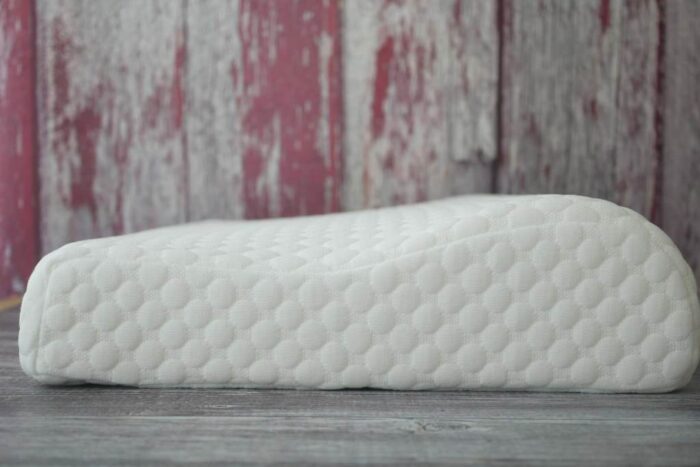
Moreover, proper support helps reduce snoring and improves airflow. That means better sleep quality and fewer interruptions. So, selecting the right pillow is not a luxury. It is essential for long term health.
Understanding Neck and Spine Alignment
What Is Neutral Alignment
Neutral alignment means your head, neck, and spine stay in a straight line. This position reduces stress on muscles and ligaments.
When you lie on your back, your pillow should fill the space between your neck and the mattress. At the same time, it should not push your head forward.
Signs of Poor Alignment
You may already be using the wrong pillow if you notice these signs:
- You wake up with neck or shoulder pain
- Your head tilts too far forward or backward
- You feel stiffness in the morning
- You toss and turn frequently
Fixing alignment issues often starts with upgrading your pillow.
Key Factors to Consider When Choosing a Pillow
1. Loft or Pillow Height
Loft refers to the height of the pillow. Back sleepers usually need a medium loft.
A pillow that is too thick pushes your head forward. On the other hand, a very thin pillow fails to support your neck.
Look for a pillow that keeps your chin in a neutral position. Ideally, your face should point straight up toward the ceiling.
2. Firmness Level
Firmness determines how much support your pillow provides.
- Soft pillows feel comfortable but may lack support
- Medium firm pillows offer balance and are ideal for most back sleepers
- Firm pillows provide strong support but may feel too stiff for some people
Most experts recommend medium firm options because they maintain shape without feeling hard.
3. Material Type
Different materials offer different benefits. Understanding them helps you make a better choice.
Memory Foam
Memory foam molds to your head and neck. It provides consistent support and reduces pressure points.
Latex
Latex pillows are responsive and durable. They keep their shape and offer good airflow.
Down and Feather
These pillows feel soft and luxurious. However, they may not provide enough support for proper alignment.
Polyester Fiber
These are affordable and lightweight. Still, they tend to lose shape over time.
4. Shape and Design
Some pillows are designed specifically for back sleepers.
Contour pillows have a curved shape that supports the neck. They help maintain natural alignment throughout the night.
Standard rectangular pillows can also work if they provide the right loft and firmness. However, ergonomic designs often deliver better results.
5. Breathability and Temperature Control
Sleeping hot can disrupt your rest. Therefore, choose a pillow with good airflow.
Materials like latex and gel infused foam help regulate temperature. Cotton covers also improve breathability.
Staying cool at night improves sleep quality and comfort.
Best Types of Pillows for Back Sleepers
Memory Foam Pillows
Memory foam pillows are one of the most popular choices. They adapt to your shape and provide consistent support.
These pillows reduce pressure on the neck and shoulders. They also help maintain alignment throughout the night.
Cervical Pillows
Cervical pillows are designed for neck support. They have a curved structure that supports the natural curve of your spine.
Doctors often recommend them for people with chronic neck pain.
Latex Pillows
Latex pillows are durable and supportive. They do not flatten easily, which makes them ideal for long term use.
They also resist dust mites and allergens, making them a great choice for sensitive sleepers.
Adjustable Pillows
Adjustable pillows allow you to change the height and firmness.
You can add or remove filling to match your comfort level. This flexibility makes them suitable for different body types.
How to Test a Pillow Before Buying
In Store Testing Tips
If you shop in a store, take a few minutes to test the pillow.
- Lie down in your usual sleeping position
- Check if your neck feels supported
- Make sure your head does not tilt forward
At Home Trial
Many brands offer trial periods. Use this time to evaluate comfort and support.
Sleep on the pillow for at least a week. Your body needs time to adjust to a new surface.
Common Mistakes to Avoid
Choosing Based on Softness Alone
Soft does not always mean supportive. A pillow that feels comfortable at first may cause pain later.
Ignoring Sleeping Position
Many people choose pillows without considering their sleep style. Back sleepers need specific support that differs from side or stomach sleepers.
Keeping a Pillow Too Long
Pillows lose their shape over time. Experts suggest replacing them every one to two years.
Overlooking Allergies
If you have allergies, choose hypoallergenic materials like latex or certain memory foam options.
Tips to Improve Sleep Quality
Even the best pillow works better with good sleep habits.
- Place a small pillow under your knees to reduce lower back pressure
- Maintain a consistent sleep schedule
- Keep your bedroom cool and dark
- Use a supportive mattress along with your pillow
These small changes can significantly improve your sleep quality.
Conclusion
Choosing the best pillow for back sleepers to support neck and spine alignment requires careful thought. Focus on loft, firmness, material, and design. Make sure your pillow keeps your head and neck in a neutral position.
Avoid common mistakes and take time to test your options. A well chosen pillow can reduce pain, improve posture, and enhance sleep quality.
Start evaluating your current pillow today. If it no longer supports you, it is time to upgrade and invest in better sleep.
FAQs
What pillow height is best for back sleepers
A medium loft pillow works best for most back sleepers. It keeps the head aligned with the spine without pushing it forward.
Are memory foam pillows good for neck pain
Yes, memory foam pillows provide consistent support and reduce pressure points. They are often recommended for neck pain relief.
Should back sleepers use firm pillows
Medium firm pillows are usually ideal. They offer enough support while still feeling comfortable.
How often should I replace my pillow
You should replace your pillow every one to two years. Over time, it loses shape and support.
Can a pillow improve sleep quality
Yes, the right pillow improves alignment, reduces discomfort, and helps you sleep more deeply.