
Side sleeping is one of the most common sleep positions, offering benefits like reduced snoring and improved spinal alignment. However, for individuals with broad shoulders, finding the right pillow for side sleepers can be challenging. The unique anatomical needs of side sleepers with broad shoulders require pillows that provide adequate loft, support, and comfort to maintain proper alignment and prevent pain. This 2500-word article explores the history, current state, key concepts, benefits, challenges, and future trends of pillows designed for side sleepers with broad shoulders, offering in-depth insights for both novices and knowledgeable readers.
History of Pillows for Side Sleepers
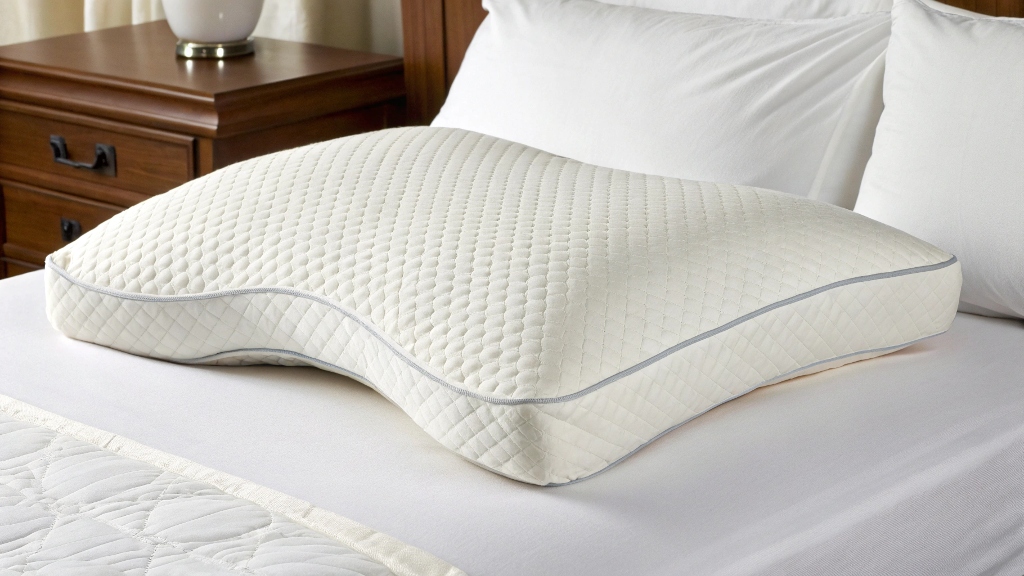
Early Pillow Designs
Pillows have been used for thousands of years, with early examples dating back to ancient Mesopotamia around 7000 BCE. These were often made of stone or wood and served more as status symbols than comfort aids.
-
Materials: Early pillows were crafted from natural materials like straw, feathers, or animal hides.
-
Purpose: Primarily used to elevate the head for protection from insects or to maintain hairstyles.
-
Limitations: Little consideration was given to ergonomic support or specific sleep positions.
Evolution of Ergonomic Pillows
By the 20th century, advancements in materials and sleep science led to pillows designed for specific sleep needs.
-
Foam Introduction: The 1960s saw the rise of memory foam, pioneered by NASA, which revolutionized pillow design with its contouring properties.
-
Targeted Designs: By the 1980s, manufacturers began creating pillows for side, back, and stomach sleepers, recognizing the need for varied loft and firmness.
-
Broad-Shoulder Focus: In the 2000s, brands started addressing the unique needs of side sleepers with broader shoulders, introducing higher-loft pillows and adjustable options.
Current State of Pillows for Side Sleepers with Broad Shoulders
Market Overview
The sleep industry has grown significantly, with the global pillow market valued at approximately $10 billion in 2024 and projected to reach $15 billion by 2030. Pillows for side sleepers with broad shoulders are a niche but expanding segment.
-
Key Brands: Companies like Tempur-Pedic, Coop Home Goods, and Purple lead with specialized offerings.
-
Consumer Demand: Increased awareness of sleep health drives demand for ergonomic solutions.
-
Customization: Adjustable pillows and personalized options are gaining traction.
Popular Pillow Types
Several pillow types cater to side sleepers with broad shoulders, each with distinct features.
-
Memory Foam Pillows:
-
Pros: Contours to head and neck, maintains shape, durable.
-
Cons: Can retain heat, may have off-gassing odor initially.
-
-
Latex Pillows:
-
Pros: Naturally cooling, responsive, hypoallergenic.
-
Cons: Higher cost, heavier than other materials.
-
-
Hybrid Pillows:
-
Pros: Combine foam, gel, or fiber for balanced support and breathability.
-
Cons: Complex construction can increase price.
-
-
Adjustable Fill Pillows:
-
Pros: Allow customization of loft and firmness.
-
Cons: May require frequent adjustments.
-
|
Pillow Type |
Loft Range |
Firmness |
Cooling |
Price Range |
|---|---|---|---|---|
|
Memory Foam |
5-7 inches |
Medium-Firm |
Moderate |
$50-$150 |
|
Latex |
6-8 inches |
Firm |
High |
$80-$200 |
|
Hybrid |
5-8 inches |
Medium |
High |
$70-$180 |
|
Adjustable Fill |
4-9 inches |
Adjustable |
Moderate |
$40-$120 |
Key Concepts for Side Sleepers with Broad Shoulders
Anatomical Considerations
Broad shoulders create a wider gap between the head and mattress, necessitating specific pillow attributes.
-
Loft (Height):
-
Ideal loft: 5-8 inches to fill the gap and align the spine.
-
Too low: Causes neck strain; too high: Pushes head upward, misaligning spine.
-
-
Firmness:
-
Medium-firm to firm pillows prevent sinking while supporting the head.
-
Soft pillows may collapse under weight, leading to discomfort.
-
-
Shoulder Width Measurement:
-
Measure shoulder width (from outer edge of one shoulder to the other) to estimate required loft.
-
Example: A 20-inch shoulder width typically requires a 6-7 inch loft.
-
Spinal Alignment
Proper spinal alignment is critical to prevent pain and promote restful sleep.
-
Cervical Spine: The pillow should keep the neck in line with the thoracic spine.
-
Shoulder Positioning: Pillows should allow the shoulder to rest comfortably without compression.
-
Proven Method: Use the “pillow stack test” — stack pillows until the head is level with the spine when lying on your side, then measure the total height.
Mathematical Approach to Pillow Selection
To optimize pillow choice, a mathematical model can be applied based on shoulder width and mattress firmness.
-
Formula:
Loft (L) = (Shoulder Width (SW) × 0.3) + (Mattress Sinkage Factor (MSF))-
SW: Measured in inches.
-
MSF: 0.5 inches for firm mattresses, 1 inch for medium, 1.5 inches for soft.
-
Example: For a 20-inch shoulder width on a medium-firm mattress:
L = (20 × 0.3) + 1 = 6 + 1 = 7 inches.
-
This formula ensures the pillow fills the gap created by shoulder width while accounting for mattress compression.
Benefits of Specialized Pillows
Pain Reduction
Proper pillows alleviate common issues for side sleepers with broad shoulders.
-
Neck Pain: High-loft pillows maintain cervical alignment, reducing strain.
-
Shoulder Pain: Firm support prevents shoulder compression against the mattress.
-
Headaches: Proper alignment minimizes tension headaches caused by poor posture.
Improved Sleep Quality
A well-suited pillow enhances overall sleep experience.
-
Reduced Tossing and Turning: Stable support minimizes repositioning.
-
Deeper REM Sleep: Comfortable positioning promotes longer REM cycles.
-
Morning Energy: Better sleep quality leads to increased daytime alertness.
Long-Termastar: Long-term Health
Consistent use of an appropriate pillow supports long-term health.
-
Spinal Health: Prevents degenerative changes in the cervical spine.
-
Circulation: Reduces pressure on shoulder nerves, improving blood flow.
-
Posture: Encourages better daytime posture by reducing compensatory strain.
Challenges in Finding the Right Pillow
Fit Variability
Individual differences complicate pillow selection.
-
Body Size Variations: Shoulder width and neck length vary widely, requiring personalized solutions.
-
Sleep Habits: Some side sleepers shift positions, needing versatile pillows.
-
Partner Considerations: Sharing a bed may require compromises in pillow choice.
Cost Considerations
High-quality pillows can be expensive, posing a barrier.
-
Price Range: Specialized pillows often cost $50-$200, with premium options exceeding $300.
-
Durability: Cheaper pillows may degrade faster, requiring frequent replacements.
-
Trial Periods: Limited return policies can make testing costly.
Information Overload
The abundance of options and marketing claims can overwhelm consumers.
-
Confusing Terminology: Terms like “orthopedic” or “ergonomic” lack standardization.
-
Misleading Reviews: Sponsored reviews may exaggerate benefits.
-
Lack of Expertise: Few retailers offer expert guidance for niche needs.
Product Reviews
To provide practical insights, here are reviews of three popular pillows for side sleepers with broad shoulders, based on user feedback and expert analysis.
Tempur-Pedic TEMPUR-Ergo Neck Pillow
-
Loft: 6.5 inches (medium-firm).
-
Material: Memory foam.
-
Pros: Excellent contouring, durable, maintains shape.
-
Cons: Warm for hot sleepers, higher price point ($150).
-
Best For: Those prioritizing cervical alignment.
Coop Home Goods Eden Adjustable Pillow
-
Loft: 4-8 inches (adjustable).
-
Material: Shredded memory foam and microfiber.
-
Pros: Customizable loft, breathable, affordable ($70).
-
Cons: Requires occasional fluffing, less firm than solid foam.
-
Best For: Budget-conscious sleepers seeking versatility.
Purple Harmony Pillow
-
Loft: 6.5 inches (medium).
-
Material: Latex with gel grid.
-
Pros: Highly breathable, responsive, hypoallergenic.
-
Cons: Expensive ($160), may feel too bouncy for some.
-
Best For: Hot sleepers needing firm support.
Future Trends in Pillow Design
Smart Pillows
Technology is transforming pillow functionality.
-
Sensors: Embedded sensors track sleep patterns and adjust firmness in real-time.
-
Apps: Companion apps provide sleep analytics and personalized recommendations.
-
Examples: Smart pillows like the REM-Fit ZEEQ are early adopters.
Sustainable Materials
Eco-conscious designs are gaining popularity.
-
Organic Latex: Sourced from sustainable rubber trees, biodegradable.
-
Recycled Fibers: Pillows using recycled polyester reduce waste.
-
Certifications: Look for GOTS or OEKO-TEX certifications for eco-friendly options.
Read More Also: How to Choose the Best First Pillow for Your Toddler: A Comprehensive Guide
3D-Printed Pillows
Additive manufacturing enables hyper-customized pillows.
-
Personalized Fit: 3D scans of the sleeper’s body create tailored loft and contours.
-
Material Innovation: New polymers offer unique combinations of firmness and breathability.
-
Challenges: High cost and limited availability currently restrict adoption.
AI-Driven Recommendations
Artificial intelligence is streamlining pillow selection.
-
Algorithms: Analyze body measurements, sleep habits, and preferences to suggest ideal pillows.
-
Virtual Try-Ons: AR apps simulate how a pillow feels before purchase.
-
Integration: Future sleep systems may combine AI with smart mattresses and pillows for holistic optimization.
Read More Also: Why Does My Buckwheat Hull Pillow Feel Too Firm?
Conclusion
Pillows for side sleepers with broad shoulders are more than just bedding—they are critical tools for health, comfort, and sleep quality. From their historical roots to modern innovations, these pillows have evolved to meet the unique needs of a specific demographic. By understanding key concepts like loft, firmness, and spinal alignment, and applying proven methods like the mathematical loft formula, sleepers can make informed choices. While challenges like cost and fit variability persist, the future promises exciting advancements in smart technology, sustainability, and personalization. Whether you’re a casual sleeper or a sleep health enthusiast, investing in the right pillow can transform your nights and days.