
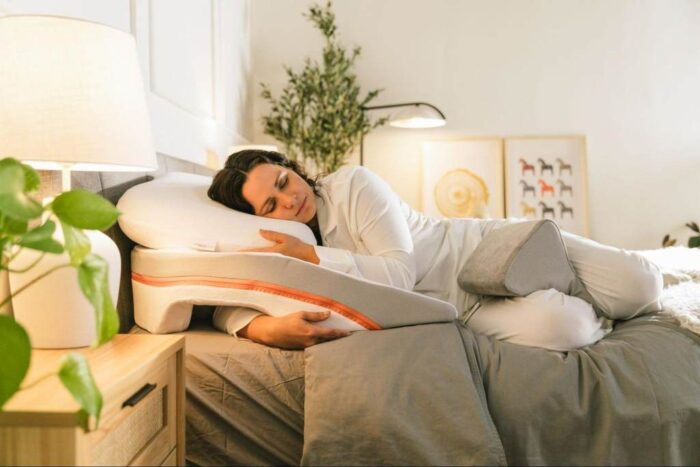
Sleep apnea affects millions of adults in the United States, and many people do not even realize they have it. According to the American Academy of Sleep Medicine, nearly 30 million Americans suffer from sleep apnea, yet only a fraction receive proper treatment. Poor sleep does more than cause fatigue. It can increase the risk of heart disease, high blood pressure, and cognitive issues.
That is why simple solutions like a wedge pillow for sleep apnea can make a meaningful difference. By improving your sleeping position, it supports better airflow and reduces breathing interruptions. In this guide, you will learn how to choose the right wedge pillow for sleep apnea so you can sleep deeper and wake up refreshed.
What Is a Wedge Pillow and How Does It Help Sleep Apnea
A wedge pillow is a triangular pillow designed to elevate the upper body during sleep. Unlike standard pillows, it maintains a steady incline that keeps your head and chest raised throughout the night. This position plays a key role in reducing airway obstruction.
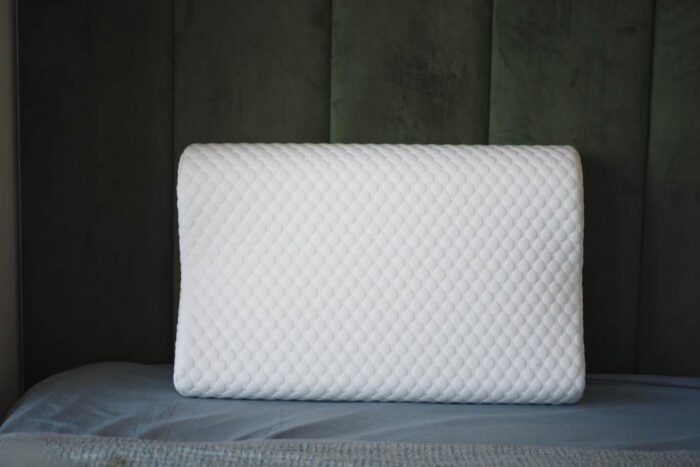
When you lie flat, gravity causes the tongue and soft tissues in your throat to collapse backward. As a result, airflow becomes restricted. However, elevating your upper body helps keep the airway open. Therefore, breathing becomes smoother and interruptions decrease.
In addition, wedge pillows can reduce snoring, which often accompanies sleep apnea. Many users report fewer nighttime awakenings and improved sleep quality after switching to an inclined sleeping position.
Key Factors to Consider When Choosing a Wedge Pillow
1. Pillow Height and Incline Angle
The height of the wedge pillow is one of the most important factors. Most wedge pillows range from 6 to 12 inches in height. A higher incline offers stronger elevation, while a lower incline provides gentle support.
If you have moderate to severe sleep apnea, a height of 10 to 12 inches may work better. However, if you are new to incline sleeping, starting with 7 to 9 inches often feels more comfortable.
A proper angle ensures your airway stays open without straining your neck. Therefore, always balance comfort with effectiveness.
2. Material and Firmness
The material affects both comfort and long term support. Memory foam is a popular choice because it contours to your body and maintains shape. On the other hand, high density foam offers firmer support and prevents sinking.
You should avoid overly soft pillows because they can collapse during sleep. Instead, choose a medium firm to firm option that holds your position throughout the night.
3. Size and Bed Compatibility
Wedge pillows come in different widths and lengths. Some cover only the upper torso, while others extend further down the back.
If you move a lot during sleep, a wider pillow provides better stability. In contrast, a compact pillow works well for smaller beds or solo sleepers.
Always check that the pillow fits your mattress comfortably. A mismatch can reduce its effectiveness and comfort.
4. Cover Material and Breathability
Breathability matters more than many people realize. Since wedge pillows cover a larger surface area, they can trap heat.
Look for covers made from breathable fabrics like cotton or bamboo blends. These materials improve airflow and keep you cool throughout the night.
Removable and washable covers also make maintenance easier. Clean bedding supports better sleep hygiene and overall health.
5. Sleeping Position Compatibility
Your usual sleeping position should guide your choice. Back sleepers benefit the most from wedge pillows because elevation directly improves airway alignment.
Side sleepers can also use wedge pillows, but they may need additional support. Placing a regular pillow on top of the wedge can improve comfort.
Stomach sleeping is not ideal for sleep apnea. Therefore, a wedge pillow can help train your body to adopt a healthier position over time.
Benefits of Using a Wedge Pillow for Sleep Apnea
Improved Airflow and Reduced Snoring
Elevating your upper body keeps your airway open. As a result, airflow improves and snoring decreases significantly. This change can benefit both you and your partner.
Better Sleep Quality
With fewer breathing interruptions, your sleep becomes more restful. You spend more time in deep sleep stages, which support physical and mental recovery.
Reduced Acid Reflux
Many people with sleep apnea also experience acid reflux. A wedge pillow helps prevent stomach acid from moving upward, which improves comfort and reduces nighttime discomfort.
Non Invasive Solution
Unlike machines or medical devices, a wedge pillow offers a simple and natural approach. It works without noise, wires, or complicated setup.
Common Mistakes to Avoid
Choosing the Wrong Height
A pillow that is too high can strain your neck. On the other hand, a low incline may not provide enough support. Always choose a balanced height based on your needs.
Ignoring Material Quality
Cheap materials may lose shape quickly. Therefore, investing in high quality foam ensures long term comfort and effectiveness.
Using It Incorrectly
Some users place only their head on the wedge. However, proper use requires elevating the upper torso as well. This positioning maximizes airway support.
Expecting Instant Results
While many people notice quick improvements, your body may need time to adjust. Consistency is key for long term benefits.
How to Use a Wedge Pillow Effectively
To get the best results, you need to use your wedge pillow correctly.
Follow these steps:
- Place the pillow with the higher end at the head of your bed.
- Lie down so your shoulders and upper back rest on the incline.
- Keep your neck aligned with your spine.
- Add a small pillow if needed for extra neck support.
- Maintain a consistent sleep routine.
In addition, combining the wedge pillow with other healthy habits improves results. Weight management, avoiding alcohol before bed, and maintaining regular sleep schedules all support better breathing.
Who Should Use a Wedge Pillow for Sleep Apnea
A wedge pillow works well for many individuals, especially those with mild to moderate sleep apnea. It is also helpful for people who cannot tolerate continuous positive airway pressure machines.
However, it is not a replacement for medical treatment in severe cases. Always consult a healthcare professional if your symptoms persist.
Older adults, side sleepers, and people with acid reflux often benefit the most from this type of pillow.
Conclusion
Choosing the right wedge pillow can significantly improve your breathing and sleep quality. By focusing on height, material, size, and comfort, you can find a pillow that fits your needs perfectly.
More importantly, consistent use can reduce snoring, improve airflow, and help you wake up feeling refreshed. Small changes often lead to big results when it comes to sleep health.
If you want better sleep starting tonight, consider upgrading your pillow and committing to a healthier sleep position.
FAQs
What height wedge pillow is best for sleep apnea
Most people benefit from a height between 7 and 12 inches. Higher elevations work better for more severe symptoms, while lower heights suit beginners.
Can a wedge pillow replace CPAP therapy
A wedge pillow can help with mild cases, but it should not replace medical devices for severe sleep apnea without professional advice.
Is it comfortable to sleep on a wedge pillow every night
Yes, although it may take a few nights to adjust. Choosing the right firmness and height improves comfort significantly.
Can side sleepers use wedge pillows
Yes, but they may need extra pillows for support. A wider wedge also helps maintain stability for side sleeping.
How long does it take to see results
Some users notice improvements within a few nights. However, consistent use over several weeks provides the best results.